When talking about degrees, it’s important to understand that we’re referring to different levels of severity for certain things, including burns, murder, and other crimes. In this context, the first, second, and third degree are used to describe the level of severity of burns. The classification system is based on the depth of the burn, with the first degree being the least severe and the third degree being the most severe.
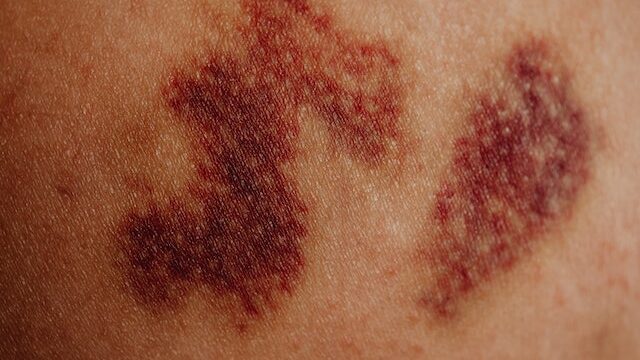
First-Degree Burns: A first-degree burn is the mildest of the three degrees. These burns affect only the outermost layer of skin, which is called the epidermis. Symptoms include redness, minor pain, and mild inflammation. First-degree burns can be caused by brief exposure to a low heat source, such as a hot stove, sunburn, or a mild chemical burn. These types of burns typically heal on their own within a few days, and don’t usually require medical attention unless they cover a large area of the body.
Second-Degree Burns: A second-degree burn is more severe than a first-degree burn. These burns penetrate the epidermis and extend into the second layer of skin, which is called the dermis. Symptoms include blistering, severe pain, redness, and swelling. Second-degree burns can be caused by exposure to a higher heat source, such as a flame or a scalding liquid. Treatment for second-degree burns may involve topical medications, pain management, and dressing changes. In severe cases, skin grafting may be necessary to promote healing and reduce the risk of infection.
Third-Degree Burns: A third-degree burn is the most severe of the three degrees. These burns penetrate through the epidermis and dermis and extend into the deeper layers of tissue, including muscle and bone. Symptoms include a charred or blackened appearance, severe pain or numbness, and white or brown discoloration. Third-degree burns are caused by exposure to high heat sources, such as flames, hot liquids, or electrical current. Treatment for third-degree burns usually involves surgical intervention, including skin grafting, and pain management. In some cases, amputation may be necessary to prevent infection or save the life of the patient.
It’s important to note that burns can be classified as partial thickness or full thickness, in addition to being classified by degree. Partial-thickness burns only affect the epidermis and dermis, while full-thickness burns extend through all layers of skin and may involve deeper tissues as well. The severity of a burn is also determined by the extent of the burn, which is calculated as the percentage of total body surface area (TBSA) affected by the burn.
The terms first, second, and third degree are also used to describe murder charges in some jurisdictions. In this context, they refer to different levels of culpability or intent. First-degree murder typically involves premeditation and a deliberate intention to kill, while second-degree murder is unplanned but still intentional. Third-degree murder is usually defined as causing someone’s death through reckless or negligent behavior, without the intent to kill. However, the specific definitions of these terms can vary widely between jurisdictions and legal systems.
In conclusion, the terms first, second, and third degree can be used to describe different levels of severity for burns, as well as for murder charges in some legal systems. When referring to burns, the classification system is based on the depth and extent of the burn, with first-degree burns being the least severe and third-degree burns being the most severe. When referring to murder charges, the terms are used to describe different levels of intent or culpability.