The female drake is called a duck, and is a member of the Anatidae family of birds, which includes ducks, geese, and swans. Ducks are one of the most widely distributed and diverse groups of waterfowl, with over 100 species worldwide. They can be found in a variety of aquatic habitats, from small ponds to large lakes, rivers, and coastal wetlands.
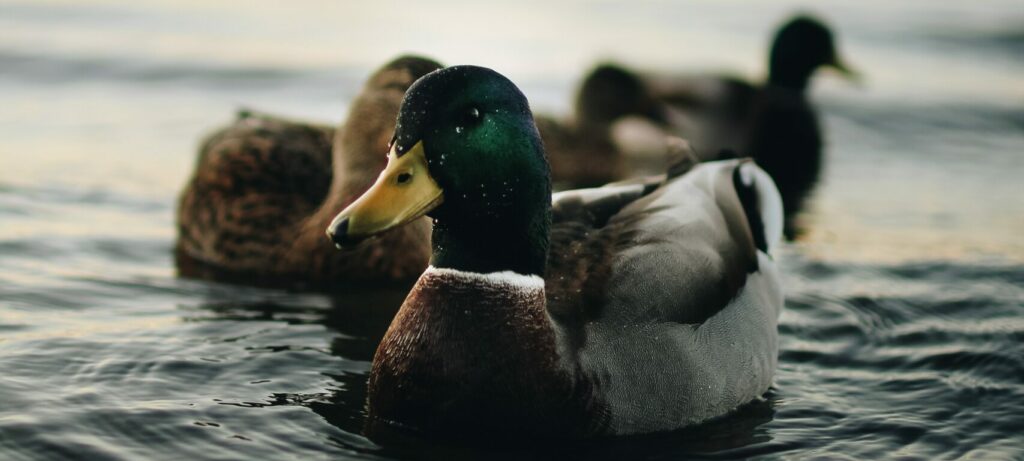
Ducks are sexually dimorphic, which means that males and females have different physical characteristics. Male ducks, or drakes, are typically larger and more brightly colored than females, with more elaborate plumage and distinctive features such as crests, wattles, and drakes. Females, on the other hand, have more subdued coloring and markings, and lack these distinctive features.
One of the most important characteristics of female ducks is their ability to lay eggs. Ducks are oviparous, which means that they lay eggs rather than giving birth to live young. The timing and frequency of egg laying varies depending on the species and environmental conditions, but most ducks lay eggs once per year, in the spring or early summer.
The anatomy of female ducks is adapted for egg laying and reproductive success. The reproductive tract of female ducks includes the ovary, oviduct, and cloaca. The ovary produces eggs, which are then passed into the oviduct for fertilization and development. The oviduct is a long, convoluted tube that consists of several segments, each with a different function in the development of the egg.
In the first segment of the oviduct, the egg is coated with albumen, or egg white, which provides a source of protein for the developing embryo. As the egg passes through the oviduct, it is coated with several layers of protective membranes and a hard, calcified shell. The entire process takes about 24-26 hours from the time the egg is released from the ovary to the time it is laid.
Female ducks also have specialized behaviors and adaptations to protect their eggs and offspring. Most species of ducks nest on the ground, typically in a concealed location such as tall grass, brush, or undergrowth. The female constructs a nest by scratching a shallow depression in the ground and lining it with grass, leaves, and down feathers. She may also add material to the nest throughout the incubation period to provide additional insulation and camouflage.
Once the eggs are laid, the female duck assumes the primary responsibility for incubating them and protecting the nest. She will often remain on the nest for long periods of time, only leaving briefly to feed and drink. During this time, she may also perform various behaviors to deter predators and maintain the temperature and humidity of the nest, such as adjusting the position of the eggs or adding more down feathers.
After the eggs hatch, female ducks continue to provide care and protection for their offspring, known as ducklings. They lead their young to water and teach them how to swim, dive, and feed. Female ducks are also known for their fierce defense of their young, and will aggressively attack any perceived threats to their offspring.
In conclusion, the female drake, or duck, is a vital member of the Anatidae family of birds. Female ducks are adapted for egg laying and reproductive success, with specialized behaviors and adaptations to protect their eggs and offspring. They play a crucial role in the survival and propagation of their species, and are a fascinating and important component of aquatic ecosystems worldwide.