A blister is a small pocket of fluid that forms within the skin or the layers just beneath it. It is typically caused by friction, such as when you wear ill-fitting shoes or do manual labor without gloves. Other common causes include burns, insect bites, and allergic reactions. Although blisters can be painful and unsightly, they serve an important purpose in protecting the underlying tissues from further damage.
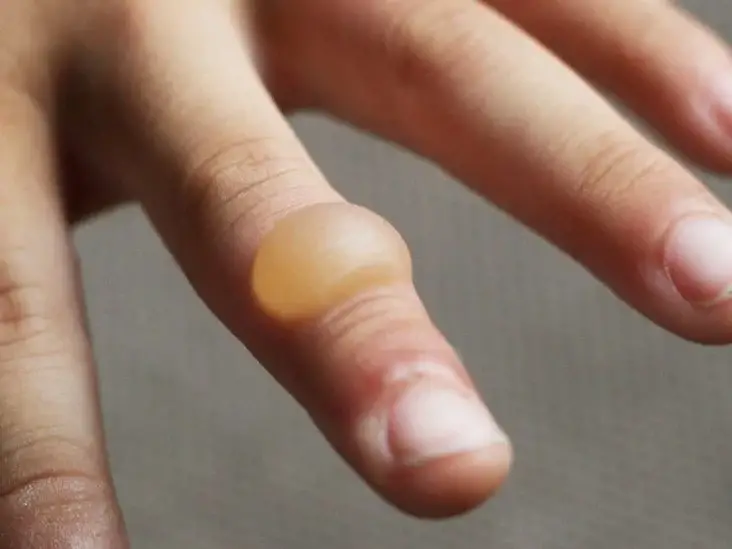
The fluid inside a blister is called serum, which is a clear, yellowish liquid that contains water, electrolytes, and proteins. It is similar in composition to the fluid that surrounds cells in the body, and it serves several important functions.
One of the primary functions of serum is to provide a cushioning effect that protects the underlying tissues from further damage. When a blister forms, it creates a barrier between the affected area and the outside world, reducing the amount of friction and pressure that is applied to the skin. This allows the skin to heal more quickly and reduces the risk of infection.
Serum also contains various proteins and other compounds that are involved in the healing process. For example, it contains growth factors that promote the growth of new cells and tissues, as well as cytokines that help to regulate the immune response. These substances work together to help the body repair the damaged tissues and restore normal function.
In addition to its protective and healing functions, serum also helps to reduce pain and inflammation. When the skin is damaged, it releases chemicals that activate nerve fibers and cause pain. However, the fluid inside a blister can help to reduce this pain by providing a cushioning effect and by reducing the amount of pressure that is applied to the affected area. It also contains anti-inflammatory compounds that help to reduce swelling and redness.
Although the fluid inside a blister is primarily composed of serum, it can also contain other substances depending on the underlying cause. For example, if the blister is caused by an infection, it may contain pus, which is a thick, yellowish fluid that is composed of dead white blood cells, bacteria, and other debris. Pus is an indication that the body is fighting an infection, and it may need to be drained in order to prevent the infection from spreading.
In some cases, blisters may also contain blood, which is referred to as a blood blister. These types of blisters are typically caused by trauma to the skin, such as a pinch or a blow. Blood blisters are usually not serious, but they can be painful and may take longer to heal than other types of blisters.
In conclusion, the fluid inside a blister is called serum, which is a clear, yellowish liquid that contains water, electrolytes, and proteins. It serves an important protective and healing function by providing a cushioning effect, promoting the growth of new cells and tissues, regulating the immune response, and reducing pain and inflammation. While blisters can be painful and unsightly, they are a natural part of the body’s healing process and typically resolve on their own within a few days.