The largest ocean in the world is the Pacific Ocean. It covers an area of approximately 63.8 million square miles, which is about one-third of the Earth’s surface. The Pacific Ocean is located between Asia and Australia to the west, and the Americas to the east. It stretches from the Arctic Ocean in the north to the Southern Ocean in the south.
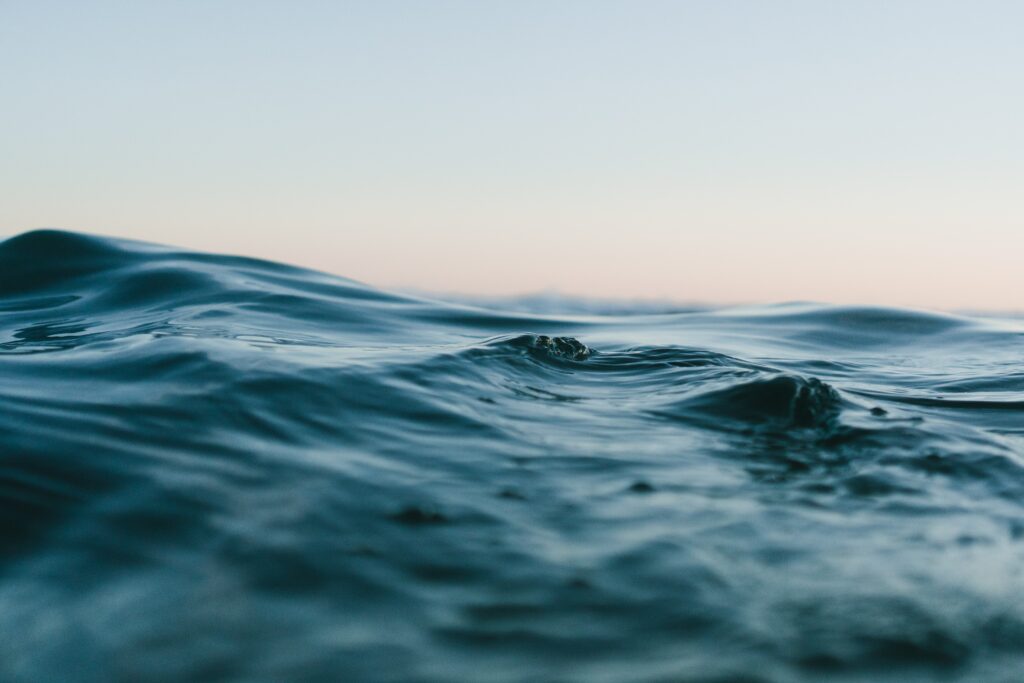
The Pacific Ocean is not only the largest, but it is also the deepest ocean in the world. Its average depth is around 12,080 feet, and its deepest point is the Challenger Deep, which is located in the Mariana Trench in the western Pacific Ocean. The Challenger Deep is approximately 36,070 feet deep.
The Pacific Ocean is known for its diverse marine life, including whales, dolphins, sharks, and many species of fish. It is also home to a number of islands, including Hawaii, Samoa, and Easter Island. The Pacific Ocean is important to the global economy as it is used for shipping, fishing, and oil drilling.
The name “Pacific” comes from the Latin word “pacificus,” which means peaceful. This name was given to the ocean by Portuguese explorer Ferdinand Magellan in 1520, as he sailed across its calm waters during a period of relatively calm weather.
The Pacific Ocean is formed by the movement of tectonic plates. The Pacific Plate is the largest of all the tectonic plates, and it is responsible for the creation of the Ring of Fire, a region of active volcanoes and frequent earthquakes that encircles the Pacific Ocean.
In addition to its geological importance, the Pacific Ocean has played a significant role in human history. It has been used for transportation and trade for centuries, and it was the site of many important battles during World War II, including the Battle of Midway and the bombing of Pearl Harbor.
Overall, the Pacific Ocean is a vast, fascinating body of water that is vital to the health of the planet and the well-being of its inhabitants. Its size, depth, and diverse marine life make it one of the most important features of the Earth’s geography.