The British Royal Family has been a subject of fascination for centuries, and many have wondered about their legal last name. Although the Royal Family is one of the most well-known and iconic families in the world, the question of their last name remains somewhat of a mystery.
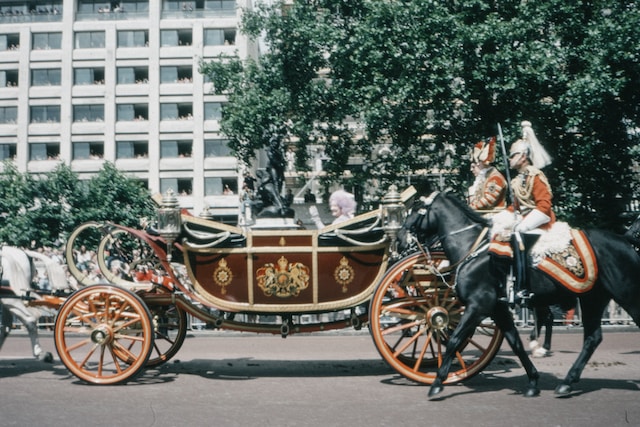
To understand why the Royal Family does not have a single, official last name, we must delve into the history of the British monarchy and how it has evolved over time. In the early days of the monarchy, surnames were not commonly used, and members of the royal family were simply known by their first name and their title or position. It wasn’t until the 19th century that the concept of a surname became more widespread in British society. Prior to this time, individuals were often identified by their place of birth, occupation, or other defining characteristic.
In 1917, King George V made a decision that would have a lasting impact on the royal family and their last name. At the height of World War I, the King issued a proclamation that changed the name of the British royal family from Saxe-Coburg and Gotha to Windsor. This change was made to distance the royal family from their German heritage and to show support for the war effort. The name Windsor was chosen because it was the name of the castle where the royal family resided at the time.
Despite this official name change, however, the issue of the Royal Family’s last name remained somewhat ambiguous. The Windsor name was primarily used as a family name, but it was not legally recognized as a surname.
In 1960, the Queen and the Duke of Edinburgh made the decision to create a new surname for their descendants. This new surname, Mountbatten-Windsor, combined the Queen’s family name, Windsor, with her husband’s family name, Mountbatten. The use of this new surname has been somewhat limited, however. It is primarily used by members of the royal family who do not hold a royal title, and even then, its use is not mandatory.
So, while the official last name of the British Royal Family is technically Mountbatten-Windsor, this name is rarely used in practice. Instead, members of the royal family are typically referred to by their first name and their title or position, such as Prince William or the Duke of Cambridge. The lack of a single, official last name for the Royal Family is not unique to the British monarchy, either. Many other monarchies around the world do not have a traditional last name, and members of these royal families are often identified by their first name and their title or position as well.
It is worth noting that while the lack of an official last name for the Royal Family may seem unusual to those outside of the UK, it is not particularly problematic for those within the country. The Royal Family is a beloved institution, and the use of their first names and titles serves to further distinguish them from the rest of society.
Moreover, the Royal Family is not simply a group of individuals with a common last name. They are the symbol of the British monarchy, and their identity is closely tied to their position in society. Therefore, the use of a traditional last name is not necessary for their identity to be understood by the public.
In conclusion, the legal last name of the British Royal Family is technically Mountbatten-Windsor, but this name is rarely used in practice. Instead, members of the royal family are typically referred to by their first name and their title or position. The lack of a single, official last name for the Royal Family is not unique to the British monarchy and is a reflection of the evolving nature of the monarchy and the role of the monarch and their family in society.