Deer are fascinating animals that are known for their agility and grace. There are over 90 different species of deer found around the world, ranging in size from the tiny pudu of South America to the massive moose of North America. The lifespan of a deer varies depending on several factors, including species, environmental conditions, predation rates, genetics, and captivity.
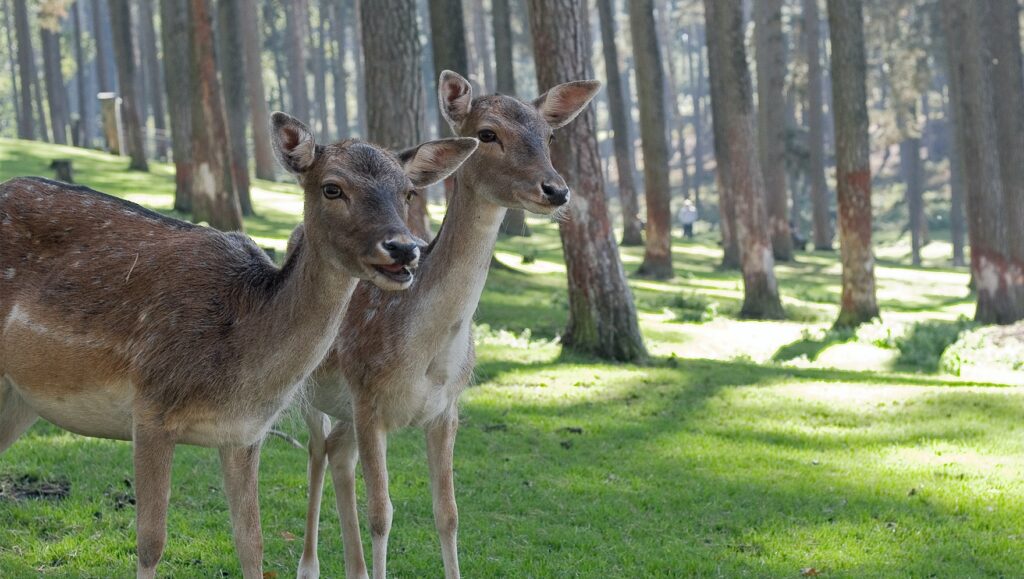
In general, deer are known to live relatively short lives in the wild, with most species averaging around 6-8 years. However, some species of deer can live up to 20 years or more in captivity under ideal conditions. For example, white-tailed deer, which are commonly found throughout much of the United States and Canada, typically live for around 6-8 years in the wild, although some individuals have been known to live up to 14 years. Mule deer, another common species found in North America, typically live for around 7-10 years in the wild, although some individuals have been known to live up to 14 years.
The lifespan of a deer is influenced by many different factors, including environmental conditions such as food availability, habitat quality, and climate. Deer that live in areas with abundant food and water are likely to live longer than those that live in areas with scarce resources. Similarly, deer that live in areas with mild climates are likely to live longer than those that live in areas with harsh winters or hot summers.
Predation is also a major factor that affects the lifespan of deer. Deer are preyed upon by a wide range of predators, including wolves, coyotes, bears, and mountain lions. In areas with high predation rates, deer are likely to have shorter lifespans as they are more likely to be killed by predators.
Hunting is another factor that can affect the lifespan of deer. Deer hunting is a popular pastime in many parts of the world, and in areas where hunting is common, deer populations may be managed through hunting regulations. However, excessive hunting can have a negative impact on deer populations, leading to a decrease in lifespan and overall health of the population.
Genetics also play a role in the lifespan of deer. Some individuals may be genetically predisposed to living longer than others, while others may be more susceptible to disease or other health problems.
Finally, it is worth noting that the lifespan of deer can vary greatly depending on whether they are living in the wild or in captivity. In captivity, deer may live longer as they are protected from environmental pressures and are provided with ample food, water, and veterinary care.
In conclusion, the lifespan of a deer is influenced by many different factors, and understanding these factors can help us to better manage and conserve these important animals in the wild. While most species of deer live for around 6-8 years in the wild, some individuals may live longer, and some species may live up to 20 years or more in captivity.