The lowest tire pressure you can drive on safely depends on several factors, including the type of vehicle, the type of tire, and the load you are carrying. In general, it is recommended that you maintain the manufacturer’s recommended tire pressure to ensure safe and efficient operation of your vehicle.
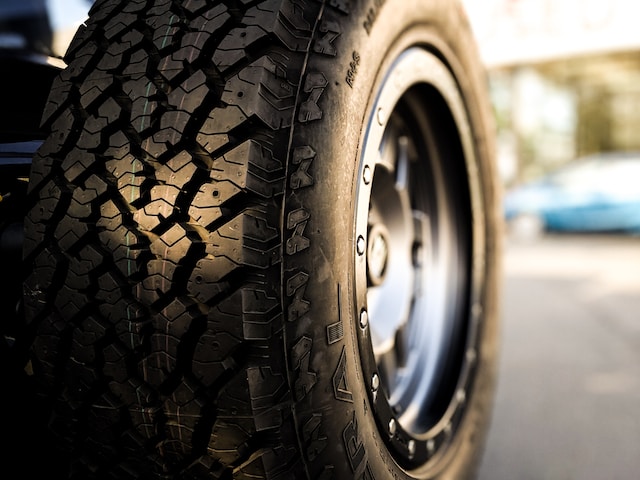
The manufacturer’s recommended tire pressure can usually be found on a sticker inside the driver’s side door jamb, in the vehicle owner’s manual, or on the tire itself. It is important to note that the recommended tire pressure may differ for the front and rear tires, and for different types of driving conditions (e.g., highway driving vs. city driving).
Driving on underinflated tires can be dangerous and can cause a number of problems. For example, underinflated tires can:
- Reduce fuel efficiency: Underinflated tires can cause your vehicle to use more fuel, as they create more rolling resistance.
- Decrease handling and braking performance: Underinflated tires can cause your vehicle to handle poorly, as they reduce the contact patch of the tire with the road. This can affect your ability to steer, brake, and accelerate.
- Increase tire wear: Underinflated tires can wear unevenly, leading to premature tire wear and the need for more frequent tire replacements.
- Increase the risk of blowouts: Underinflated tires can overheat and potentially lead to a blowout, especially in hot weather or when driving at high speeds.
With that said, in emergency situations, you may be able to drive on a tire with lower pressure than the manufacturer’s recommendation. For example, if you get a flat tire while driving and you have no other options, you may be able to drive on the flat tire to a safe location. However, this should only be done for short distances and at low speeds, as driving on a flat tire can cause severe damage to the tire and rim, as well as potentially cause a loss of control of the vehicle.
In general, it is recommended that you check your tire pressure regularly (at least once a month) and maintain the manufacturer’s recommended tire pressure. If you are unsure what the recommended tire pressure is for your vehicle, consult your vehicle owner’s manual or a qualified mechanic.
It is also important to note that tire pressure can fluctuate with changes in temperature, so it is a good idea to check your tire pressure more frequently during extreme temperature changes (e.g., during a heat wave or cold snap). If you notice that your tire pressure is consistently low, this may be a sign of a leak or other issue with your tire, and you should have it inspected by a qualified mechanic as soon as possible.
In conclusion, the lowest tire pressure you can drive on safely depends on several factors, including the type of vehicle, the type of tire, and the load you are carrying. It is important to maintain the manufacturer’s recommended tire pressure to ensure safe and efficient operation of your vehicle. While you may be able to drive on a tire with lower pressure in emergency situations, this should only be done for short distances and at low speeds, as driving on a flat tire can cause severe damage to the tire and rim, as well as potentially cause a loss of control of the vehicle.