The topic of the maximum speed limit in the United States is of great interest to many drivers, especially those who prefer to drive at higher speeds. However, the speed limit can vary from state to state and even within certain areas of a state. Generally, the maximum speed limit on highways and interstates in the United States is set at 70 miles per hour (mph), but it’s important to note that this can differ depending on the specific roadway and location.
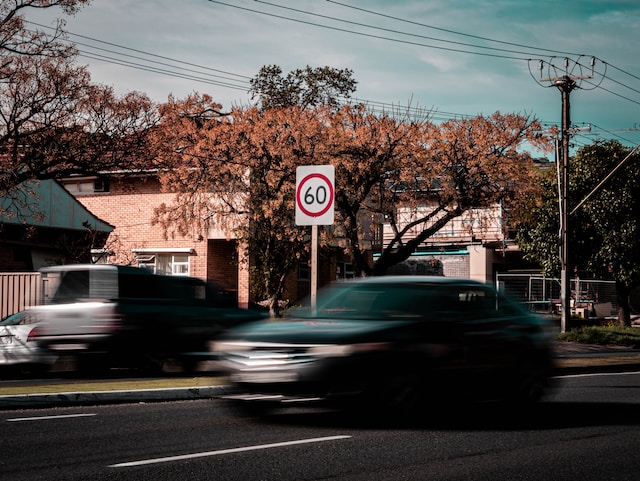
The individual states in the United States are responsible for establishing their own speed limits, and the federal government does not set any specific speed limits. Although some general guidelines for speed limits exist, each state has the authority to set its own speed limits on its highways and interstates.
Speed limits are determined based on a number of factors, such as road conditions, traffic volume, and safety concerns. For instance, roads with sharp curves or steep grades may have lower speed limits than straight, flat roads. Similarly, roads with heavy traffic or high accident rates may have lower speed limits than roads with lighter traffic and lower accident rates.
It’s important to note that although the maximum speed limit on highways and interstates in most states is 70 mph, this is not the case universally. Some states have higher maximum speed limits, such as Texas and Utah, which allow speeds of up to 80 mph on certain highways. Conversely, some states have lower maximum speed limits, such as Hawaii and New York, which have maximum speed limits of 60 mph on their highways.
States can also set minimum speed limits for certain roads to ensure that traffic flows smoothly and safely, and to prevent slower vehicles from impeding the flow of traffic. For example, a minimum speed limit of 40 mph may be set on a highway to ensure that slower vehicles do not create a bottleneck and cause congestion.
While speed limits are crucial for ensuring safety on the roads, drivers should use their own judgment and drive according to the conditions of the roadway. For instance, even if the speed limit is 70 mph, drivers should slow down in adverse weather conditions or when traffic is heavy.
In conclusion, the maximum speed limit on highways and interstates in the United States is usually set at 70 mph, but this can vary depending on the state and specific roadway. Speed limits are established based on a variety of factors, including road conditions, traffic volume, and safety concerns. It’s crucial for drivers to follow the posted speed limit, but also to use their own judgment and drive safely according to the conditions of the roadway.