The maximum speed of Wi-Fi 5, also known as 802.11ac, depends on a number of factors, including the number of antennas and channels, the frequency band, and the quality of the wireless access point and client devices. However, in ideal conditions, Wi-Fi 5 can support speeds of up to 3.5 Gbps.
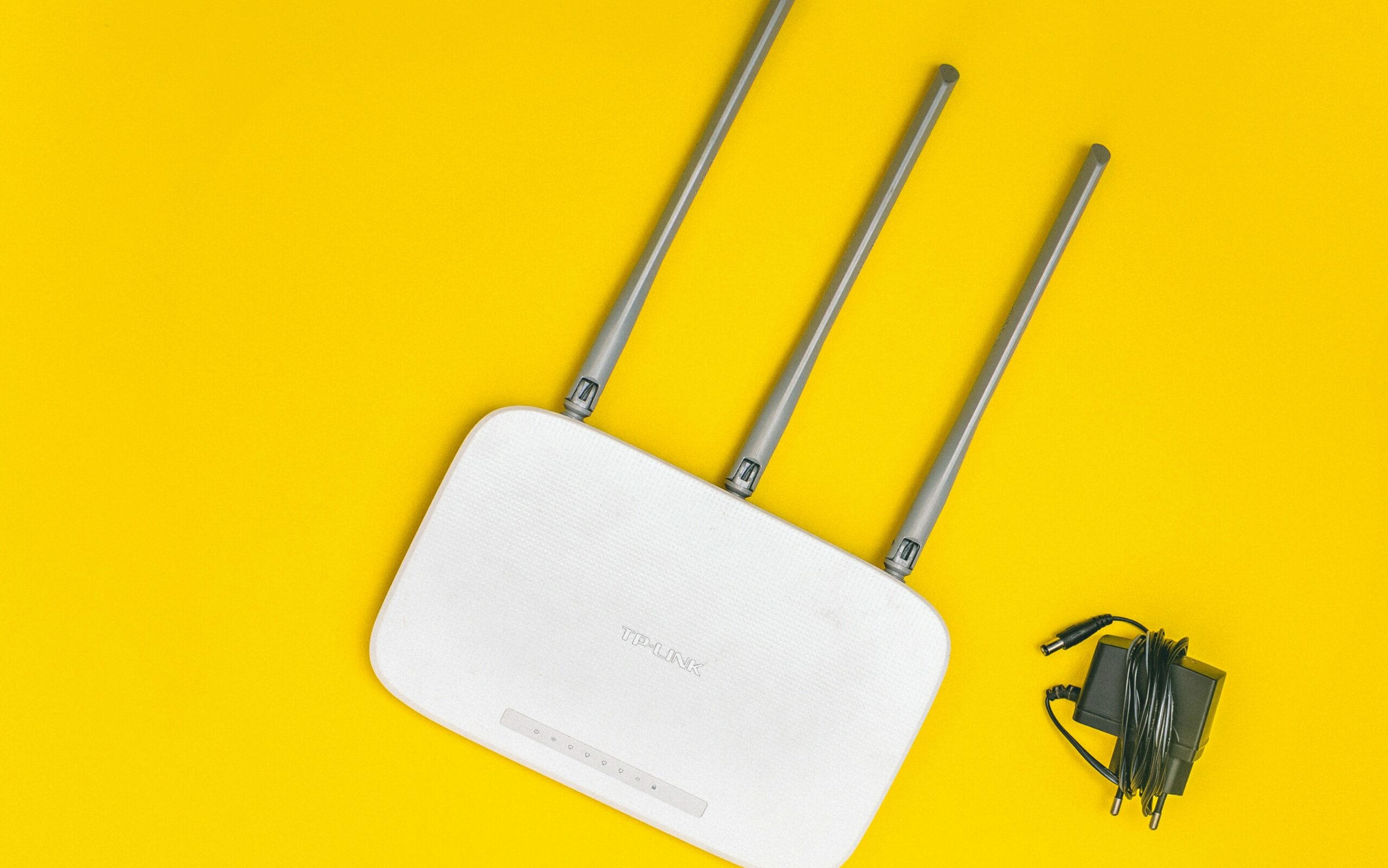
Wi-Fi 5 operates on both the 5 GHz and 2.4 GHz frequency bands, but it is primarily designed to operate on the 5 GHz band, which offers less interference and faster data rates. Wi-Fi 5 uses multiple-input multiple-output (MIMO) technology to increase the speed and reliability of wireless connections. This technology allows for the use of multiple antennas on both the access point and client devices to transmit and receive data simultaneously.
The number of antennas and channels used by Wi-Fi 5 can greatly impact its maximum speed. Wi-Fi 5 devices can support up to four spatial streams, or four antennas, which can be used to transmit and receive data simultaneously. Additionally, Wi-Fi 5 devices can use channel bonding to combine two or more adjacent channels to increase the available bandwidth.
In ideal conditions, a Wi-Fi 5 device with four spatial streams and channel bonding on the 5 GHz band can support speeds of up to 3.5 Gbps. However, real-world conditions can greatly impact the actual speed of a Wi-Fi 5 connection. Interference from other devices, distance from the access point, and the quality of the client device’s Wi-Fi hardware can all impact the speed and reliability of a wireless connection.
It is also important to note that Wi-Fi speed is often measured in terms of “data rates,” which is the maximum theoretical speed that a wireless connection can support. However, the actual speed of a wireless connection may be lower than the data rate due to factors such as network congestion and data overhead.
In conclusion, the maximum speed of Wi-Fi 5 depends on a number of factors, including the number of antennas and channels, the frequency band, and the quality of the wireless access point and client devices. In ideal conditions, Wi-Fi 5 can support speeds of up to 3.5 Gbps, but real-world conditions can greatly impact the actual speed of a wireless connection.