The history of the penny dates back over a thousand years, with its origins in Anglo-Saxon England. The earliest pennies were made of silver, and they were small and thin, with crude designs that often featured the monarch’s head or a religious symbol. As time passed, the penny became a symbol of national identity and economic power, and its design and materials changed to reflect these changes.
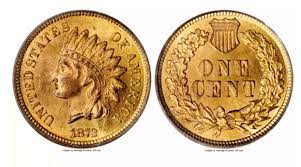
If you were to go out and look for the oldest penny, you might be surprised to find that there are a number of different types of pennies that have been produced over the centuries. Each of these types has its own unique history and story to tell, and each offers a glimpse into the evolution of the penny over time.
One of the earliest pennies that you might find is the so-called “Sceatta” penny, which was produced in Anglo-Saxon England around the 7th century AD. These small silver coins were produced in large numbers and were used primarily as a form of currency in local markets and trade. The designs on these pennies were often crude, featuring simple geometric shapes and symbols that were intended to represent the local ruler or authority.
As time passed, the design of the penny became more sophisticated, with the introduction of more intricate patterns and symbols that reflected the changing political and economic landscape of medieval Europe. The introduction of Christianity also had a profound impact on the design of the penny, with many coins featuring religious symbols such as the cross or the image of a saint.
During the reign of King Henry II in the 12th century, the penny underwent another major transformation, with the introduction of a new type of coin called the “Short Cross” penny. These coins were larger and heavier than their predecessors and featured a distinctive cross on one side, with the king’s head on the other. The Short Cross penny remained in circulation for over 100 years and is considered to be one of the most important coins in English history.
In the 14th century, the penny underwent yet another major transformation, with the introduction of the “Long Cross” penny. These coins were even larger and heavier than the Short Cross pennies and featured a more elaborate design, with a long cross on one side and the king’s head on the other. The Long Cross penny remained in circulation for several centuries and was widely used in trade and commerce throughout Europe.
By the 16th century, the penny had evolved once again, with the introduction of the “Tudor Rose” penny. These coins featured a distinctive design that incorporated the Tudor rose, a symbol of the new dynasty that had taken power in England. The Tudor Rose penny remained in circulation for several decades and is considered to be one of the most beautiful and well-designed coins in English history.
In the centuries that followed, the design of the penny continued to evolve, with new materials such as copper and bronze being introduced to replace the earlier silver coins. During the Industrial Revolution, the penny became a symbol of Britain’s economic power, with millions of coins being produced each year to fuel the country’s growing economy.
Today, the penny remains an important symbol of national identity and economic power, and its design continues to evolve to reflect the changing times. While it is difficult to say for certain what the oldest penny is that you might find, it is clear that the penny has a rich and fascinating history that spans over a thousand years, and that each penny has its own unique story to tell.