Determining the safest speed in traffic depends on a number of factors, including road conditions, weather, visibility, traffic volume, and the type of vehicle being driven. However, as a general rule, the safest speed in traffic is the speed that allows the driver to maintain control of the vehicle at all times, react to unexpected situations, and avoid collisions with other vehicles or obstacles on the road.
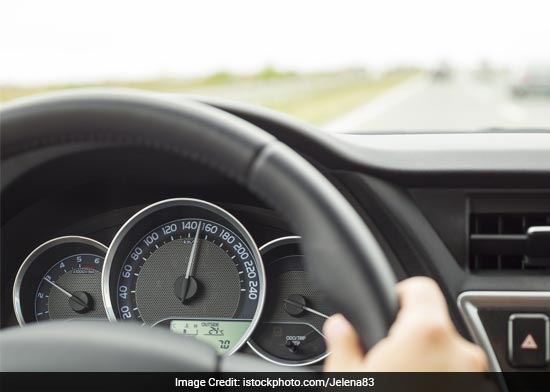
Speed limits are posted on most roads and highways to give drivers a guideline for safe speeds. These limits are typically set by local or state governments based on the road design, traffic volume, and accident history. While it’s important to follow posted speed limits, it’s also important for drivers to adjust their speed based on the conditions they encounter on the road.
One of the key factors to consider when determining a safe speed in traffic is the weather. Wet or icy roads can reduce traction and increase the risk of hydroplaning or skidding. In these conditions, drivers should slow down and increase the distance between their vehicle and the vehicle in front of them to allow for greater stopping distance.
Another important factor is visibility. When driving at night or in foggy conditions, it may be necessary to reduce speed to maintain control of the vehicle and avoid colliding with other vehicles or obstacles on the road.
Traffic volume is another important consideration when determining a safe speed in traffic. In heavy traffic, drivers may need to slow down to allow for greater stopping distance and avoid collisions with other vehicles. In addition, in congested areas, it’s important to be aware of merging traffic and to maintain a safe following distance to avoid rear-end collisions.
The type of vehicle being driven is also a factor in determining a safe speed in traffic. Larger vehicles such as trucks or buses may require greater stopping distance and slower speeds to maintain control, especially on steep hills or winding roads.
In addition to these factors, it’s important for drivers to be aware of their own limitations and adjust their speed accordingly. Fatigue, distraction, and impairment can all affect a driver’s ability to react to unexpected situations on the road. Drivers should avoid driving while tired, distracted, or under the influence of drugs or alcohol.
It’s also important for drivers to be aware of the behavior of other drivers on the road. Aggressive driving, tailgating, and weaving in and out of traffic can all increase the risk of collisions. In these situations, it’s important to maintain a safe distance from other vehicles and avoid engaging in behavior that could escalate the situation.
Overall, the safest speed in traffic is one that allows the driver to maintain control of the vehicle, react to unexpected situations, and avoid collisions with other vehicles or obstacles on the road. While posted speed limits provide a guideline for safe speeds, drivers must also adjust their speed based on weather, visibility, traffic volume, and the type of vehicle being driven. In addition, drivers should be aware of their own limitations and adjust their speed accordingly, and be aware of the behavior of other drivers on the road. By following these guidelines, drivers can help ensure their own safety and the safety of others on the road.