The shape of Korean eyes is one of the distinctive features of East Asian facial anatomy. It is important to note, however, that not all Koreans have the same eye shape, as there is variation within the Korean population and among other East Asian populations as well.
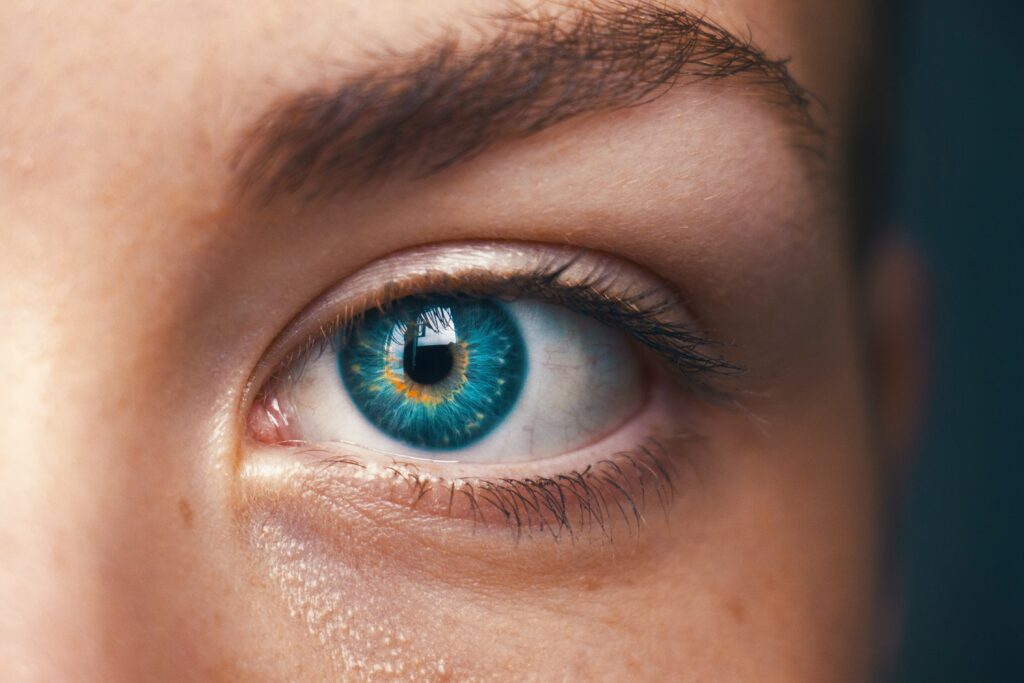
Generally speaking, the shape of Korean eyes is characterized by a single eyelid or a “monolid” rather than a double eyelid. This means that there is not a crease in the upper eyelid that creates a visible fold when the eye is open. Instead, the skin of the upper eyelid covers the eyelid margin and extends over the eye to create a smooth, uninterrupted surface.
The absence of a crease in the upper eyelid can make the eyes appear smaller, but this is not always the case. In fact, many Koreans have large, expressive eyes that are emphasized by their monolid shape. This is especially true for women, who may use makeup techniques to create the illusion of a crease or to enhance the appearance of their eyes.
In addition to the absence of a crease in the upper eyelid, Korean eyes are also characterized by other features that contribute to their unique appearance. For example, the inner corner of the eye tends to be rounded rather than pointed, which gives the eye a softer, more feminine appearance. The eye itself may also be slightly angled upwards at the outer corner, which creates a distinctive almond shape.
There are many factors that contribute to the shape of Korean eyes, including genetics, environment, and cultural practices. For example, it is believed that the prevalence of monolids in East Asian populations may be due to a genetic mutation that occurred thousands of years ago. This mutation may have provided an evolutionary advantage in cold, dry environments by protecting the eye from harsh weather conditions.
Cultural practices such as the use of eyelid tape or surgery to create a double eyelid may also play a role in the shape of Korean eyes. Double eyelid surgery, which involves creating a crease in the upper eyelid through a surgical procedure, is one of the most common cosmetic surgeries in Korea and other East Asian countries. This reflects the cultural value placed on large, expressive eyes as a symbol of beauty and youthfulness.
It is important to note, however, that not all Koreans or East Asians feel pressure to conform to these beauty standards. Many individuals embrace their natural eye shape and choose not to undergo cosmetic procedures. Moreover, the increasing diversity and globalization of beauty standards mean that there is growing acceptance of a range of eye shapes and features.
In conclusion, the shape of Korean eyes is characterized by a single eyelid or monolid, which is created by the absence of a crease in the upper eyelid. This can give the eyes a smaller appearance, but many Koreans have large, expressive eyes that are emphasized by their monolid shape. Other features that contribute to the unique appearance of Korean eyes include a rounded inner corner and a slightly angled outer corner that creates an almond shape. The shape of Korean eyes is influenced by a range of factors, including genetics, environment, and cultural practices. While cosmetic procedures such as double eyelid surgery are common in Korea and other East Asian countries, there is growing acceptance of a range of eye shapes and features as beauty standards continue to evolve.