The human body is a complex organism, consisting of various organs and tissues, each with its unique structure and function. While organs’ sizes differ significantly, some are much smaller than others. This article aims to explore the smallest organ in the human body, its location, function, and other relevant details.
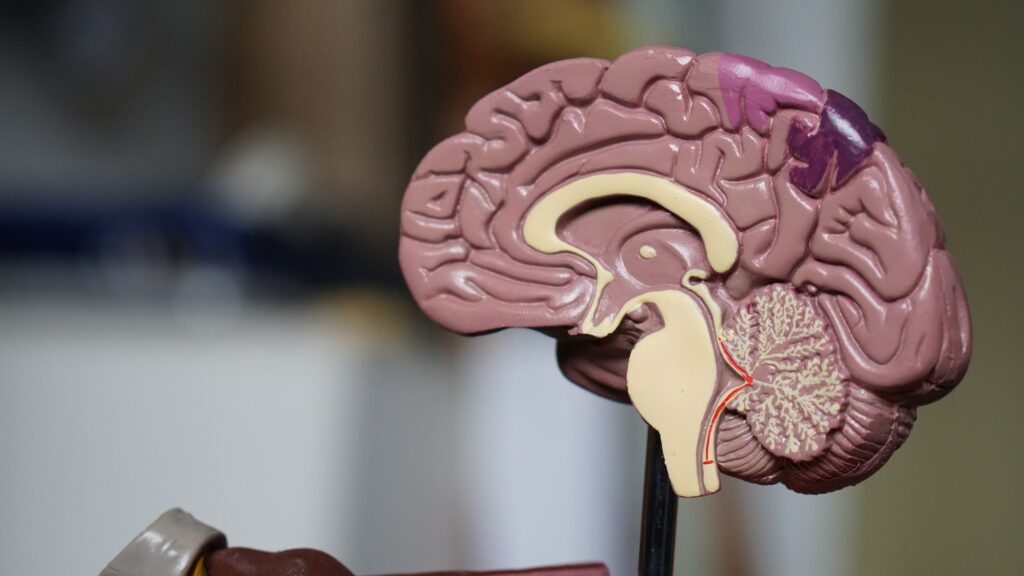
The pineal gland is the smallest organ in the human body, situated in the center of the brain, just above the brain stem. It is the size of a grain of rice, measuring between 5 and 8 millimeters long, and weighs approximately 1 gram. Despite its small size, the pineal gland is an essential organ responsible for producing and regulating specific hormones critical in maintaining various physiological processes.
Also known as the pineal body or epiphysis cerebri, the pineal gland is a small, pinecone-shaped gland located deep within the brain in a tiny space called the epithalamus. The gland comprises two types of cells: pinealocytes and interstitial cells. The pinealocytes produce melatonin, which regulates the sleep-wake cycle, and interstitial cells produce other hormones such as serotonin, which regulates mood, appetite, and pain perception.
The pineal gland’s primary role is to regulate the body’s circadian rhythms, the biological processes that govern the sleep-wake cycle. When the gland receives signals from the environment, such as changes in light levels, it produces more or less melatonin to regulate the sleep-wake cycle. For example, in the dark, the pineal gland produces more melatonin, inducing sleep, while in light, it produces less melatonin, keeping us alert during the day.
Besides regulating the sleep-wake cycle, the pineal gland also regulates immune function, sexual development, and aging. Studies indicate that the pineal gland stimulates the production of white blood cells by producing certain cytokines that help regulate the immune system. It also produces hormones that regulate the release of reproductive hormones such as luteinizing hormone (LH) and follicle-stimulating hormone (FSH), which are involved in sexual development. Some researchers have suggested that the pineal gland may play a role in the aging process, and the decline in melatonin production may be associated with age-related diseases such as Alzheimer’s disease and cancer.
The pineal gland has a fascinating history and has been subject to much speculation and mysticism over the centuries. In ancient cultures such as the Egyptians, Greeks, and Romans, it was associated with spiritual or mystical experiences and considered the “third eye” or the seat of the soul. In modern times, the gland’s function has been extensively studied and documented by researchers.
In conclusion, the pineal gland is the smallest organ in the human body, weighing approximately 1 gram and measuring between 5 and 8 millimeters long. Despite its small size, the gland plays a vital role in regulating various physiological processes, including circadian rhythms, immune function, sexual development, and aging.