The chemical symbol for gold is “Au”, which is derived from the Latin word “aurum”, meaning “shining dawn”. The symbol “Au” has been used to represent gold since ancient times, and it is still in use today by chemists and scientists around the world.
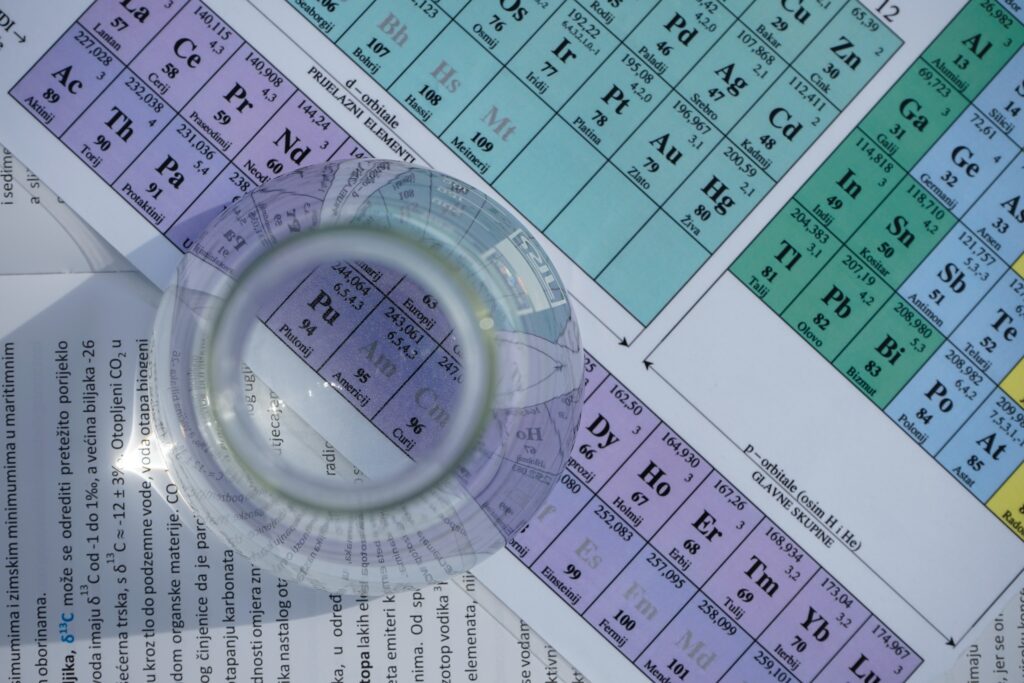
The use of symbols to represent elements dates back to the early days of chemistry, when alchemists and other scientists were trying to understand the properties and behaviors of different substances. The system of using one or two-letter symbols to represent elements was first proposed by the Swedish chemist Jöns Jacob Berzelius in the early 19th century, and it has since become the standard way of representing elements in the periodic table.
The symbol “Au” was chosen for gold because of its historical significance and its association with wealth and luxury. Gold has been prized by humans for thousands of years, and it has been used as a currency, a decoration, and a symbol of power and prestige. In ancient times, gold was often associated with the gods and was believed to have mystical powers.
In addition to its cultural significance, gold is also a highly valued element from a scientific standpoint. Gold is a dense, soft metal that is resistant to corrosion and oxidation, making it ideal for use in jewelry, electronics, and other applications where durability and conductivity are important. Gold is also highly reflective, which makes it useful in mirrors and other optical devices.
Today, the symbol “Au” is widely recognized as representing gold, and it is used in a variety of contexts, including scientific research, financial markets, and popular culture. Whether you are a chemist studying the properties of gold, an investor tracking the price of gold on the stock market, or a fan of James Bond movies (where the villain often has a golden obsession), the symbol “Au” is sure to be a familiar sight.
Overall, the symbol for gold – Au – is an important part of the language of chemistry and a symbol of the enduring value and significance of this precious metal throughout history.