Urine is a liquid waste product generated by the kidneys during the filtration of excess fluids and waste materials from the blood. Its color is typically clear and yellowish, while its taste can be slightly bitter or salty. However, factors like hydration, diet, and health conditions can alter its taste.
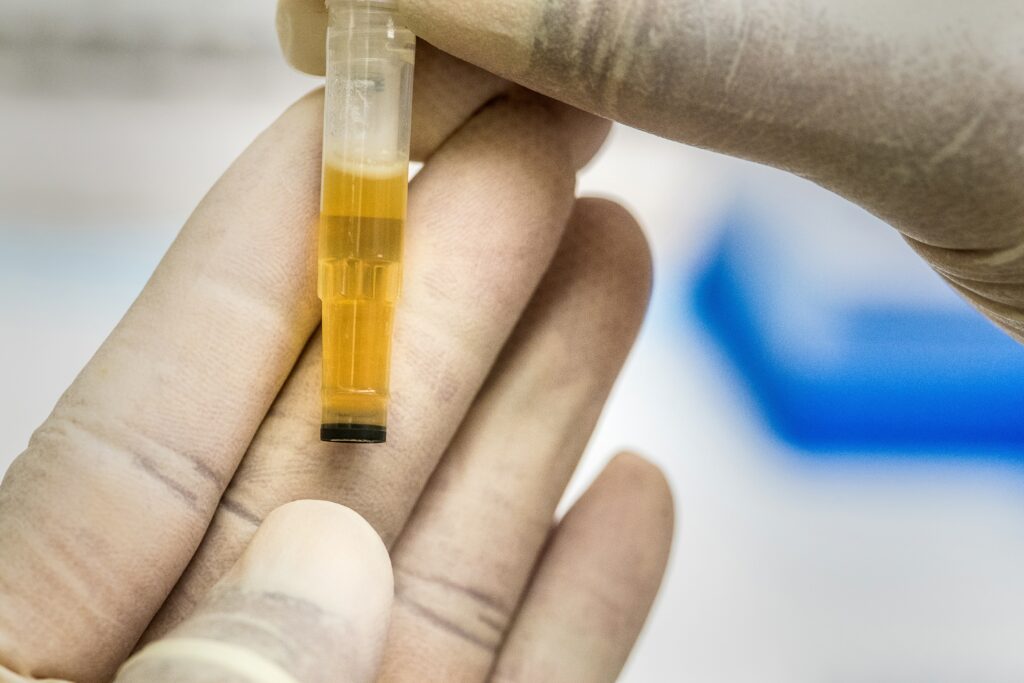
Urea, a nitrogen-containing waste product from protein breakdown, is a primary component of urine and contributes to its taste. It has a slightly sweet taste, but may leave a slightly acrid or bitter aftertaste. Urine also contains salts like sodium chloride and potassium chloride, which give it a slightly salty taste. It may have traces of glucose or other sugars, making it slightly sweet. But high levels of glucose in urine may indicate medical conditions such as diabetes and must be evaluated by a healthcare provider.
Apart from taste, urine has a peculiar smell often described as ammonia-like. This odor results from urea breakdown by bacteria present in urine, leading to the release of ammonia. Diet, hydration, and certain health conditions can also influence urine odor.
It is crucial to note that drinking urine is unsafe and not recommended. Urine contains toxins and waste products that the body eliminates. It can introduce bacteria and other harmful substances into the body, leading to severe health problems.
In summary, normal urine taste is slightly salty or bitter with a slightly sweet aftertaste. Its taste can vary depending on hydration, diet, and health conditions. Urine can provide vital information about the body’s health, but it should never be consumed due to the risks associated with its ingestion.