What lies beneath an island varies greatly depending on factors such as the island’s geological history, location, and size. Islands can be formed through a variety of processes, including volcanic activity, tectonic uplift, erosion, and sedimentation. Each of these processes can leave a unique geological record beneath the surface of the island.
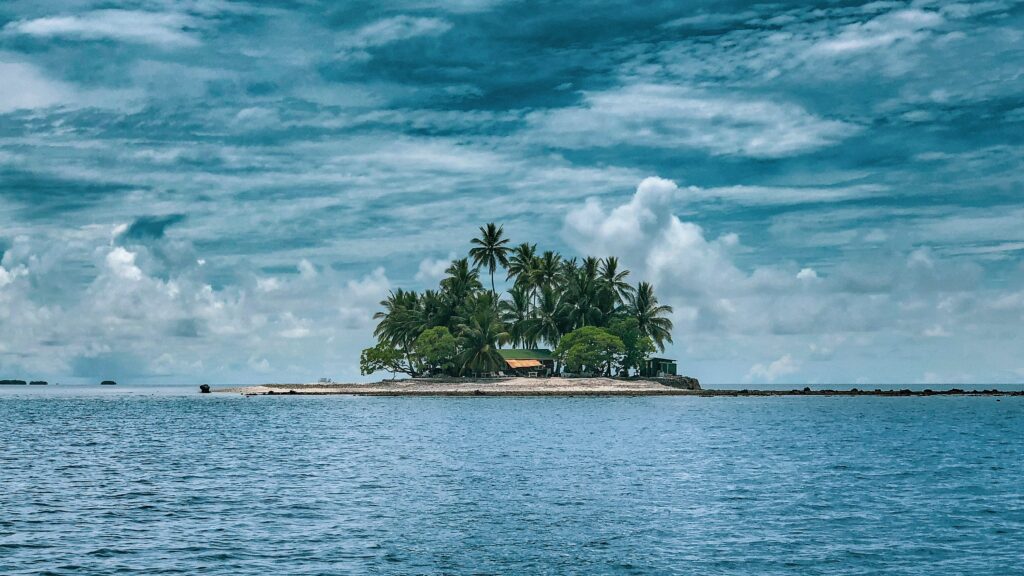
One of the most common features beneath an island is a volcanic substructure. Many islands are formed through volcanic activity, which can create a complex network of magma chambers, conduits, and vents beneath the surface. These features can sometimes be accessed through volcanic tubes, which are formed when lava flows solidify on the surface, leaving a hollow tunnel beneath. These tubes can be explored by adventurous visitors, who can see evidence of the volcanic activity that formed the island.
Another common feature beneath islands is a layer of sedimentary rock. Islands that were once connected to larger landmasses or formed on shallow continental shelves can have layers of sedimentary rock that were formed over millions of years. These layers can contain fossils and other evidence of ancient life forms, giving scientists important insights into the history of the island and the evolution of life on Earth.
Tectonic uplift is another process that can create interesting geological features beneath islands. When two tectonic plates collide, one can be forced under the other, creating a subduction zone. Over time, this can cause uplift and deformation of the overlying rock, creating mountains, ridges, and other geological features. Some islands, such as the Hawaiian Islands, were formed through tectonic uplift, and have complex geological structures beneath the surface.
Erosion is another important factor that can shape what lies beneath an island. Over time, wind, rain, and other erosive forces can wear away the surface of the island, exposing underlying rock formations and creating unique geological features. Some islands, such as the Galapagos Islands, have unique volcanic landscapes that have been shaped by erosion over millions of years.
Finally, the size and location of an island can also have a significant impact on what lies beneath. Small, isolated islands may have relatively simple geological structures, while larger islands that are part of a larger landmass can have complex geological histories. Islands located in areas of high seismic activity or near active tectonic boundaries can also have unique geological features, such as faults and subduction zones, that are not found on other islands.
In addition to geological features, there may also be cultural artifacts and historical remains beneath an island. Islands have been inhabited by humans for thousands of years, and many islands have important archaeological sites and cultural artifacts that can provide important insights into the history and culture of the island’s inhabitants. Some islands, such as Easter Island, have famous archaeological sites that attract visitors from around the world.
In conclusion, what lies beneath an island is a complex and varied mix of geological, cultural, and historical features. Islands can be formed through a variety of processes, including volcanic activity, tectonic uplift, erosion, and sedimentation, each of which can leave a unique geological record beneath the surface. In addition to geological features, islands can also have important cultural and historical artifacts that provide important insights into the island’s history and culture. Overall, the geological and cultural diversity of islands makes them fascinating places to explore and study.