Introduction: A 1964 quarter may have a different value than its face value of 25 cents depending on its rarity, condition, and historical significance. Collectors and numismatists (coin collectors) look for unique features or variations that increase the coin’s worth. In this article, we will discuss the factors that make a 1964 quarter valuable in the eyes of collectors.
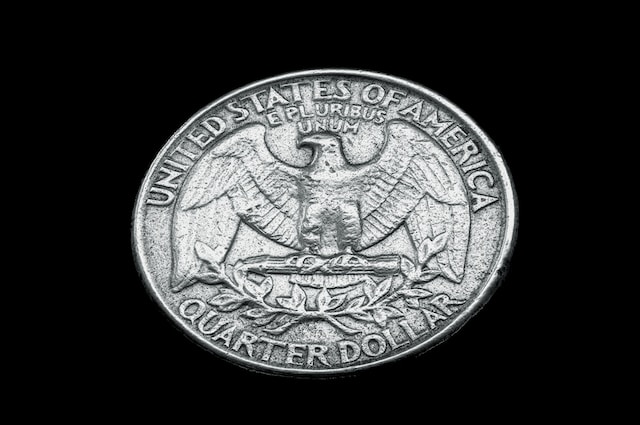
Condition: One of the most significant factors that determine a coin’s value is its condition. The better the state, the higher the worth. Grading a coin’s condition is done using a scale of 1-70, with 70 being a perfect uncirculated coin. A coin in poor condition is heavily worn and difficult to identify. An MS-60 coin will have some wear and tear, while an MS-65 coin will be in top condition with no signs of wear. A 1964 quarter in MS-60 condition is valued at $2, while one in MS-65 condition is worth around $10. However, if the coin is in even better condition than MS-65, the value can go up significantly.
Rarity: The rarer a coin is, the more it is worth. However, in the case of the 1964 quarter, this factor does not come into play as much as it might for other coins. The US Mint produced over 1.16 billion quarters in 1964, making them quite common. However, there are a few rare varieties of the 1964 quarter that are worth considerably more than the standard coin. One of these varieties is the “D” mintmark, indicating the Denver Mint produced it. The mintmark can be found above the year on the reverse side of the coin. A 1964-D quarter in MS-65 condition can be worth $80 or more.
Historical Significance: The historical significance of a 1964 quarter can also affect its value. The 1964 quarter was the last quarter in the US to contain silver. From 1932 to 1964, quarters were made of a composition of 90% silver and 10% copper. Starting in 1965, the composition changed to 75% copper and 25% nickel. As such, the 1964 quarter is an essential piece of American history, and collectors may be willing to pay more for a coin that is in top condition. The 1964 quarter was also produced during a pivotal time in American history, including the Civil Rights Movement, the Vietnam War, and the assassination of President John F. Kennedy. Numismatists who are interested in American history may pay more for a coin produced during this era.
Conclusion: The value of a 1964 quarter can depend on a variety of factors, including its condition, rarity, and historical significance. Although the standard 1964 quarter is not worth a significant amount of money, rare varieties of the coin can be quite valuable, and the historical significance of the coin can make it a valuable addition to any collection. The most valuable 1964 quarters are those in top condition, with the “D” mintmark, and those that have historical significance. Numismatists, collectors, and investors looking to add 1964 quarters to their collection should ensure that they understand the factors that make them valuable to avoid being swindled.