A belly button, also known as the navel or umbilicus, is a scar left behind after the umbilical cord is cut and detached from a newborn baby. While most people have a belly button, they can look different from person to person. In some cases, a person may have an “innie” belly button, while in others, they may have an “outie” belly button.
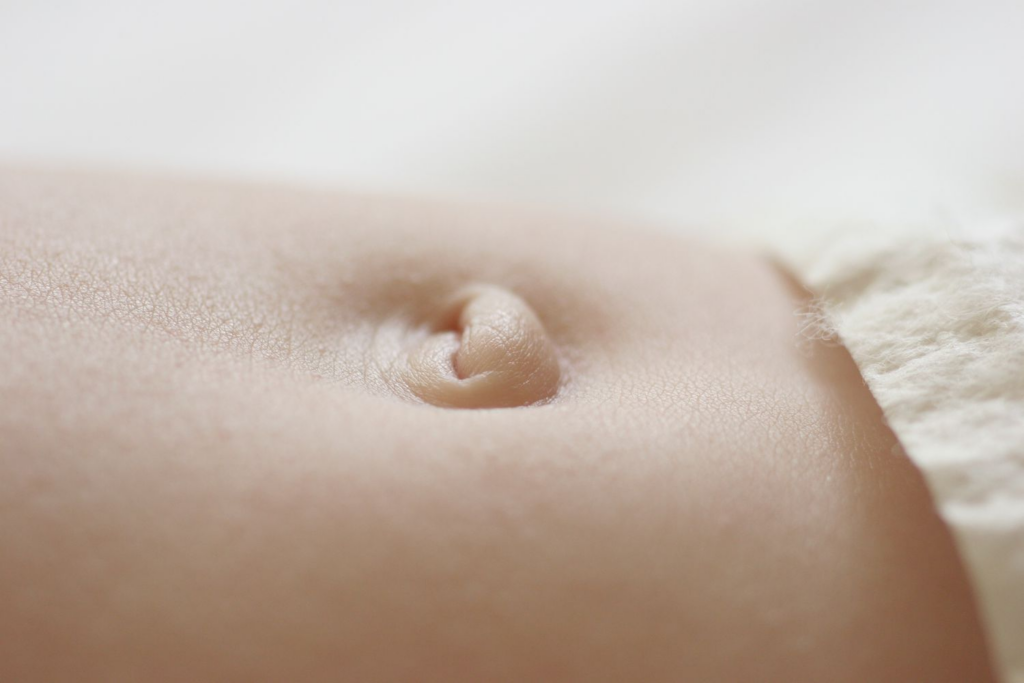
The primary factor that determines whether a person has an innie or outie belly button is the way their umbilical cord was cut and healed after birth. When a baby is born, the umbilical cord is cut, leaving a small stump that eventually falls off, leaving behind a scar. In some cases, the scar may be deep and concave, resulting in an innie belly button. In other cases, the scar may be shallow, resulting in an outie belly button.
The depth of the belly button is determined by several factors, including the length of the umbilical cord and how it was cut. If the umbilical cord is short, it may result in a shallow scar, causing an outie belly button. If the cord is long, it can lead to a deeper scar, resulting in an innie belly button. Additionally, the way the cord is cut can also play a role. If the cord is cut too close to the skin, it may result in a shallow scar, while cutting it farther away from the skin can result in a deeper scar.
Another factor that can affect whether a person has an innie or outie belly button is the amount of tissue that remains in the umbilical cord after it is cut. In some cases, there may be excess tissue that forms a small protrusion, resulting in an outie belly button. On the other hand, if there is minimal tissue remaining, it can result in an innie belly button.
While the shape of a person’s belly button is largely determined by the way their umbilical cord healed after birth, there are other factors that can also influence the appearance of the belly button. For example, excess weight gain or weight loss can cause the belly button to become more pronounced or sunken in. Pregnancy can also cause changes to the belly button, as the growing uterus can push against the abdominal wall, causing the belly button to protrude.
In rare cases, an outie belly button can be a sign of a medical condition. For example, an umbilical hernia occurs when a portion of the intestine protrudes through the abdominal muscles near the belly button, causing it to bulge outward. This can result in an outie belly button that is larger than usual. Umbilical hernias are most common in infants but can also occur in adults, particularly those who are obese or pregnant.
Overall, the shape of a person’s belly button is largely determined by the way their umbilical cord healed after birth. While there are some factors that can influence the appearance of the belly button, such as weight gain or pregnancy, the primary factor remains the length of the umbilical cord, how it was cut, and the amount of tissue that remained. In most cases, an innie or outie belly button is simply a cosmetic difference and does not cause any medical problems. However, if a person is concerned about the appearance of their belly button or experiences pain or discomfort, they should consult a healthcare provider for further evaluation.