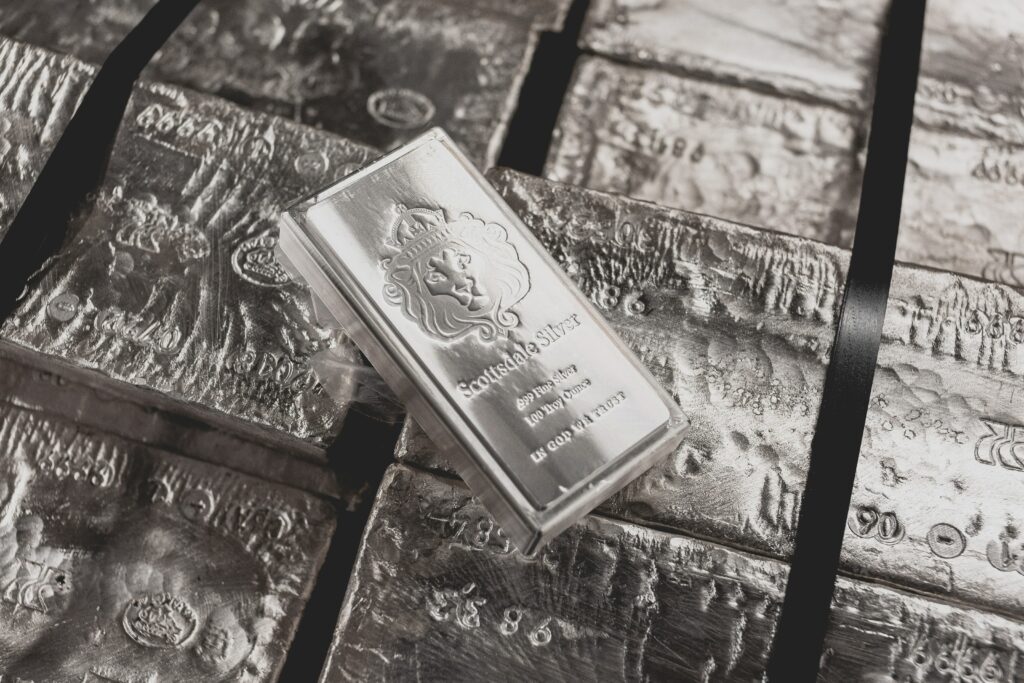
Silver is a chemical element with the symbol Ag and atomic number 47. It is a lustrous, white, and soft metal that is highly valued for its beauty, electrical conductivity, and thermal conductivity. Despite its many useful properties, silver is not magnetic, which sets it apart from many other metals.
Magnetism is a property of certain materials that causes them to attract or repel other magnetic materials. It is caused by the alignment of electrons within the material, which creates a magnetic field. In metals, the magnetic properties are determined by the arrangement of the electrons in the outermost shell. Metals that have unpaired electrons in the outermost shell tend to be magnetic, while those with paired electrons tend to be non-magnetic.
Silver is a non-magnetic metal because it has a completely filled electron shell in its ground state. Specifically, it has a configuration of [Kr]4d105s1, meaning that the outermost shell is filled with paired electrons. This configuration gives silver a diamagnetic property, which means that it is not attracted to a magnetic field.
While silver is not magnetic, it can interact with a magnetic field in other ways. For example, a changing magnetic field can induce an electric current in a silver conductor, a phenomenon known as electromagnetic induction. This property is why silver is often used in electrical wiring and circuitry, where it can efficiently conduct electrical current without being affected by a magnetic field.
Another factor that can affect the magnetic properties of metals is the presence of impurities or alloys. Silver is often alloyed with other metals, such as copper or nickel, to improve its strength or durability. These alloys may have different magnetic properties than pure silver, depending on the magnetic properties of the added metals. For example, copper is non-magnetic, so an alloy of silver and copper will also be non-magnetic.
In addition to its non-magnetic properties, silver has many other unique characteristics that make it a valuable material for a wide range of applications. Its high electrical conductivity makes it ideal for use in electronics, while its high thermal conductivity makes it useful in thermal management applications. It is also highly reflective, making it useful for mirrors and other reflective surfaces.
Silver is also known for its antimicrobial properties, which have been recognized for centuries. It is toxic to many bacteria and fungi, and its use as a disinfectant dates back to ancient times. In modern medicine, silver is used in wound dressings and other medical devices to prevent infection.
In conclusion, silver is a non-magnetic metal because of its filled outermost electron shell, which gives it a diamagnetic property. Despite its lack of magnetism, silver is highly valued for its many other useful properties, including its electrical and thermal conductivity, reflectivity, and antimicrobial activity. Whether in pure form or alloyed with other metals, silver has a wide range of applications in fields such as electronics, medicine, and industry.