Blue eyes are a relatively rare eye color, with only a small percentage of the global population possessing this unique trait. Amongst individuals of European descent, blue eyes are more commonly found compared to other ethnic groups. However, it’s important to note that eye color is a complex genetic trait influenced by multiple factors, and the percentage of white people with blue eyes can vary depending on the population studied and other factors such as migration, intermarriage, and genetic diversity.
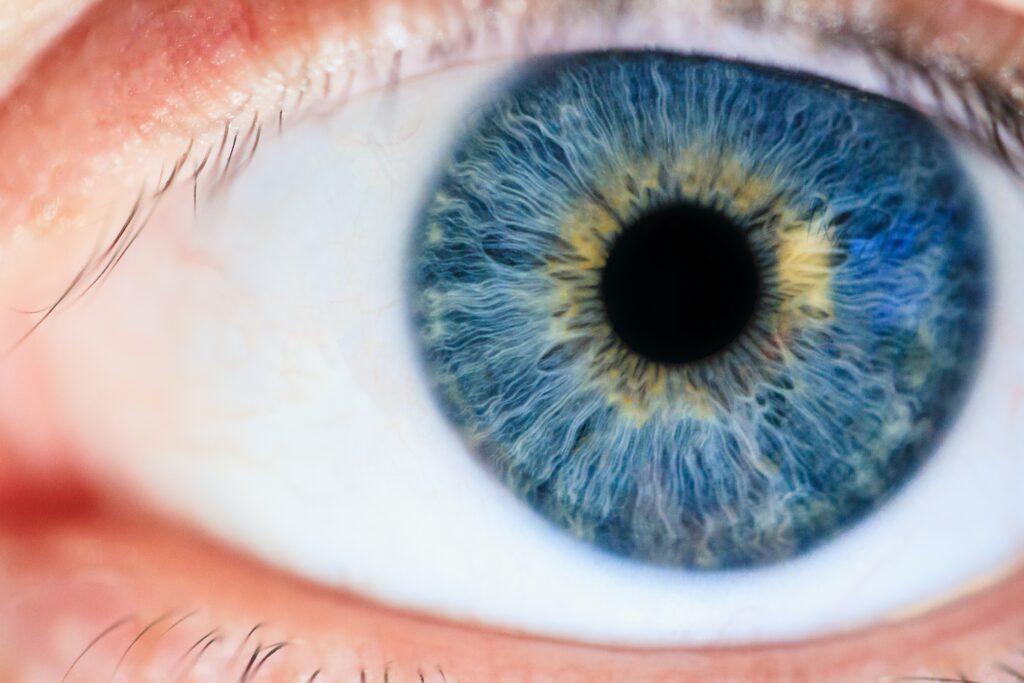
Blue eyes are the result of the scattering of light by the iris, which contains a small amount of melanin, the pigment that gives color to our eyes, skin, and hair. The blue color is caused by the Tyndall effect, where shorter wavelengths of light, such as blue, are scattered more easily by the collagen fibers in the iris, making the eyes appear blue. The amount and type of melanin in the front layer of the iris, as well as other factors, determine the specific shade of blue that an individual’s eyes may have.
According to research, approximately 8-10% of the global population has blue eyes. However, the prevalence of blue eyes can vary significantly among different populations and ethnicities. Among individuals of European descent, blue eyes are more common, with estimates ranging from 50-80% of the population in some countries. For example, in countries such as Finland, Sweden, and Norway, the prevalence of blue eyes is estimated to be around 70-80% among the population of European descent.
In the United States, the percentage of white individuals with blue eyes is estimated to be around 27%, according to a study published in the journal “Evolution and Human Behavior.” This study used data from the National Longitudinal Study of Adolescent to Adult Health (Add Health), which is a representative sample of American adolescents and young adults. However, it’s important to note that this percentage may not be representative of other countries or regions.
The percentage of white people with blue eyes can also vary depending on other factors such as gender, age, and ancestry. For example, research has shown that blue eyes are more common in females compared to males among individuals of European descent. Additionally, the prevalence of blue eyes tends to decrease with age, as the amount of melanin in the iris tends to increase over time, resulting in a darker eye color. An individual’s ancestry can also play a role, as there are variations in the prevalence of blue eyes among different European populations. For instance, blue eyes are more common in populations of Northern and Eastern European descent compared to Southern European descent.
It’s worth noting that the percentage of white people with blue eyes may be changing over time due to various factors such as migration, intermarriage, and genetic diversity. With increased globalization and migration, individuals from different ethnicities and genetic backgrounds may intermarry, resulting in a blending of genetic traits and a potential change in the prevalence of blue eyes. Additionally, as our understanding of genetics improves, more insights may emerge regarding the complex inheritance patterns of eye color, leading to a better understanding of the factors that influence the prevalence of blue eyes in different populations.
In conclusion, blue eyes are a relatively rare eye color, with estimates suggesting that approximately 8-10% of the global population has blue eyes. Among individuals of European descent, blue eyes are more commonly found, with estimates ranging from 50-80% in some countries. However, the prevalence of blue eyes can vary depending on various factors such as gender, age, ancestry, and other demographic factors. It’s important to note that the percentage of white people with blue eyes may change over time due to factors such as migration, intermarriage, and genetic diversity, and our understanding of eye color inheritance continues to evolve with advancements in genetics research.