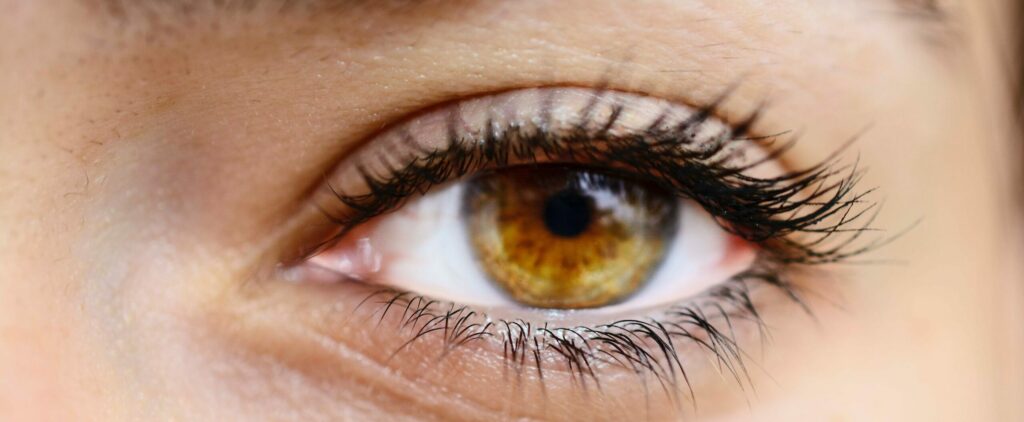
Hazel eyes are a unique combination of brown, green, and gold that create a distinct and striking appearance. While no particular race or ethnicity can be said to have hazel eyes exclusively, certain populations tend to have a higher incidence of hazel eyes than others.
It is important to note that the genetics of eye color are complex and not fully understood. Eye color is determined by a combination of genes from both parents, and multiple genes are involved in the process. Additionally, the expression of these genes can be influenced by factors such as environmental factors and random genetic mutations.
With that said, let’s explore the populations that have a higher incidence of hazel eyes:
- European populations: European populations, particularly those from Northern and Central Europe, have a higher incidence of hazel eyes than other ethnic groups. This is likely due to the fact that the genes responsible for hazel eyes are more common in European populations. According to a study published in the journal Human Genetics, people of European ancestry are more likely to have light-colored eyes, including hazel.
- Middle Eastern populations: Middle Eastern populations, including those from Iran, Iraq, and Saudi Arabia, also have a higher incidence of hazel eyes. This may be due to the fact that these populations have a genetic mix of European and Asian ancestry.
- North African populations: North African populations, including those from Morocco, Algeria, and Tunisia, also have a higher incidence of hazel eyes. This is likely due to the fact that North Africa has historically been a crossroads for different populations, resulting in a genetic mix of European, African, and Middle Eastern ancestry.
- Hispanic/Latino populations: Hispanic/Latino populations, particularly those with a mix of European and Indigenous American ancestry, also tend to have a higher incidence of hazel eyes. This is likely due to the fact that the genes responsible for hazel eyes are more common in European populations, and Hispanic/Latino populations often have a mix of European and Indigenous American ancestry.
- Jewish populations: Jewish populations, particularly those from Ashkenazi and Sephardic backgrounds, also tend to have a higher incidence of hazel eyes. This may be due to the fact that Jewish populations have a genetic mix of European, Middle Eastern, and North African ancestry.
It is important to note that while these populations may have a higher incidence of hazel eyes, individuals from any race or ethnicity can have hazel eyes. Additionally, hazel eyes can vary in color and appearance depending on the individual and their genetic makeup.
In conclusion, hazel eyes are a unique and striking eye color that can be found in individuals from a variety of races and ethnicities. While certain populations may have a higher incidence of hazel eyes, this does not mean that hazel eyes are exclusive to any particular race or ethnicity. The genetics of eye color are complex and not fully understood, and many factors can influence the expression of these genes.