it’s important to note that snakes are a diverse group of reptiles, and their preferences for smells can vary depending on the species, individual behaviors, and environmental factors. Snakes have a keen sense of smell that they use for various purposes, such as hunting prey, navigating their surroundings, and communicating with other snakes.
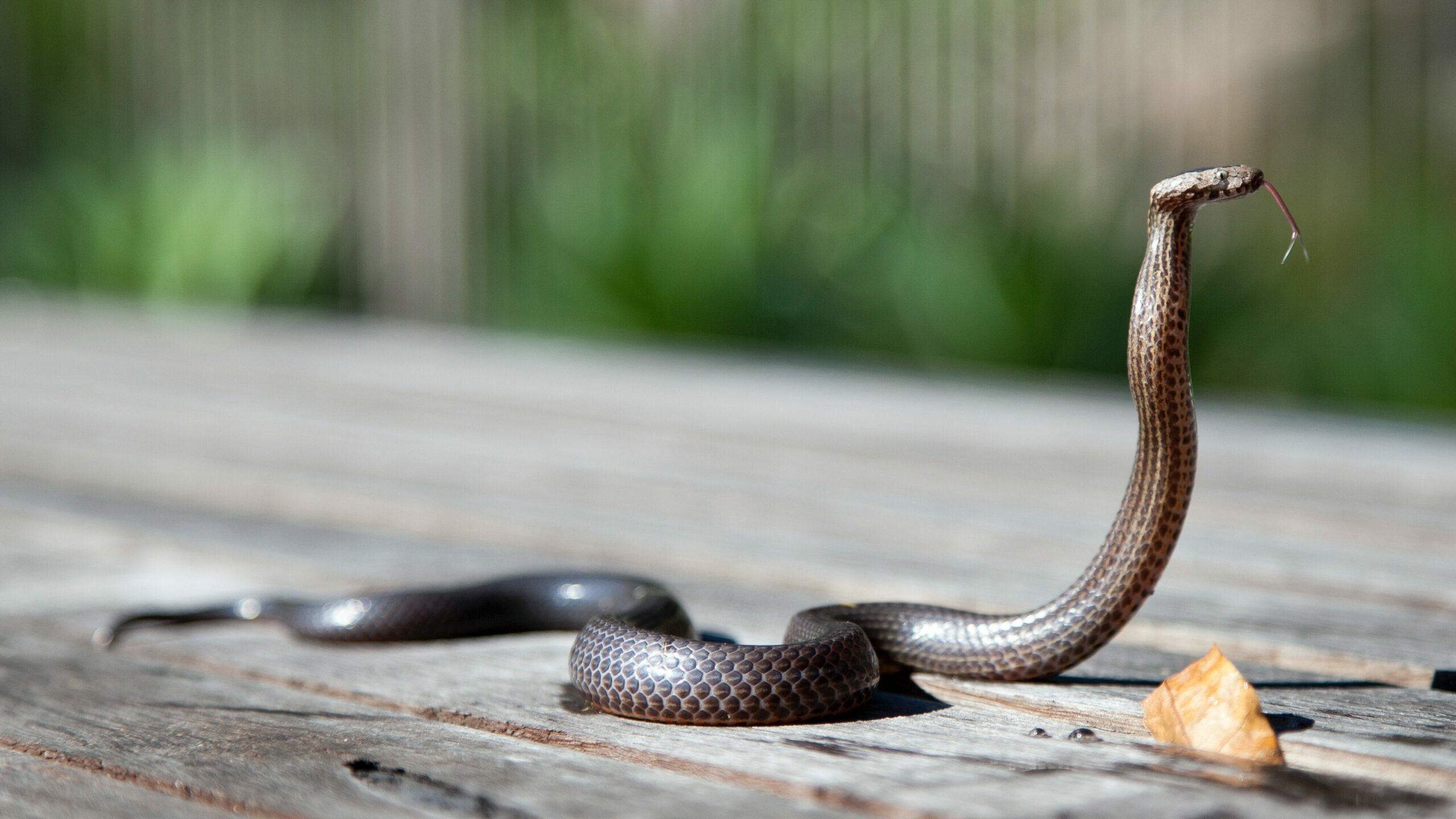
Snakes use their sense of smell through their Jacobson’s organ, also known as the vomeronasal organ, which is located in the roof of their mouths. This organ allows them to detect and analyze chemical particles in the air, which helps them identify potential prey or predators, locate mates, and navigate their environment.
While snakes have a heightened sense of smell, there are certain smells that are generally associated with attracting snakes. These may include:
- Prey Odors: Snakes are carnivorous and rely on their sense of smell to locate and capture prey. They are typically attracted to the smells of animals that they commonly feed on, such as rodents, birds, and other small mammals. The scent of fresh blood, feces, urine, or the odor of a recently killed animal may attract snakes as they perceive it as potential food.
- Mating Pheromones: During the mating season, snakes release pheromones, which are chemical signals that can attract potential mates. These pheromones can be detected by other snakes of the same species using their sense of smell. The specific pheromones released and the response to them can vary among snake species.
- Shelter Odors: Snakes may be attracted to sheltered areas with specific smells that provide them with protection or a suitable habitat. For example, the smell of dampness, decayed leaves, or other organic materials may attract snakes as it indicates a potential hiding spot or a suitable place to rest.
- Repellent Odors: In some cases, certain smells may actually repel snakes. For example, some species of snakes are known to be sensitive to strong odors, such as ammonia or sulfur, which are commonly found in cleaning products or certain plants. These odors may act as deterrents, and snakes may avoid areas with such smells.
- Other Snake Odors: Snakes are known to use chemical signals to communicate with each other, and they may be attracted to the scent of other snakes. For example, the scent of snake pheromones or feces may indicate the presence of other snakes in the area, which can elicit a response or curiosity from snakes.
It’s important to note that while certain smells may be associated with attracting snakes, snakes also rely on other sensory cues, such as heat, vibrations, and visual cues, to navigate their environment and locate prey or potential mates. The sense of smell is just one aspect of their sensory repertoire, and snakes may also exhibit individual preferences and behaviors that can influence their responses to different smells.
Furthermore, it’s crucial to consider that snakes are wild animals, and their behavior can be influenced by various factors, including their species, age, health, and environmental conditions. Snakes are also protected in many regions, and it’s important to respect their natural behaviors and habitats, and not to attempt to attract or interact with snakes without proper knowledge and expertise.
In conclusion, snakes have a heightened sense of smell and may be attracted to certain smells, such as prey odors, mating pheromones, shelter odors, or the scent of other snakes. However, the specific smells that attract snakes can vary depending on the species, individual behaviors, and environmental factors. It’s important to approach snakes with caution and respect their natural behaviors and habitats, and not to attempt to attract or interact with snakes without proper knowledge.