As cold-blooded creatures, snakes rely heavily on their sense of smell to navigate their environment, locate prey, and avoid potential threats. While snakes do not have a keen sense of smell compared to some other animals, they do possess olfactory organs that allow them to detect various scents. In their natural habitat, snakes have evolved to avoid certain smells that signal danger or indicate unsuitable conditions. In this article, we will explore the smells that snakes are known to avoid and the reasons behind their aversion to these odors.
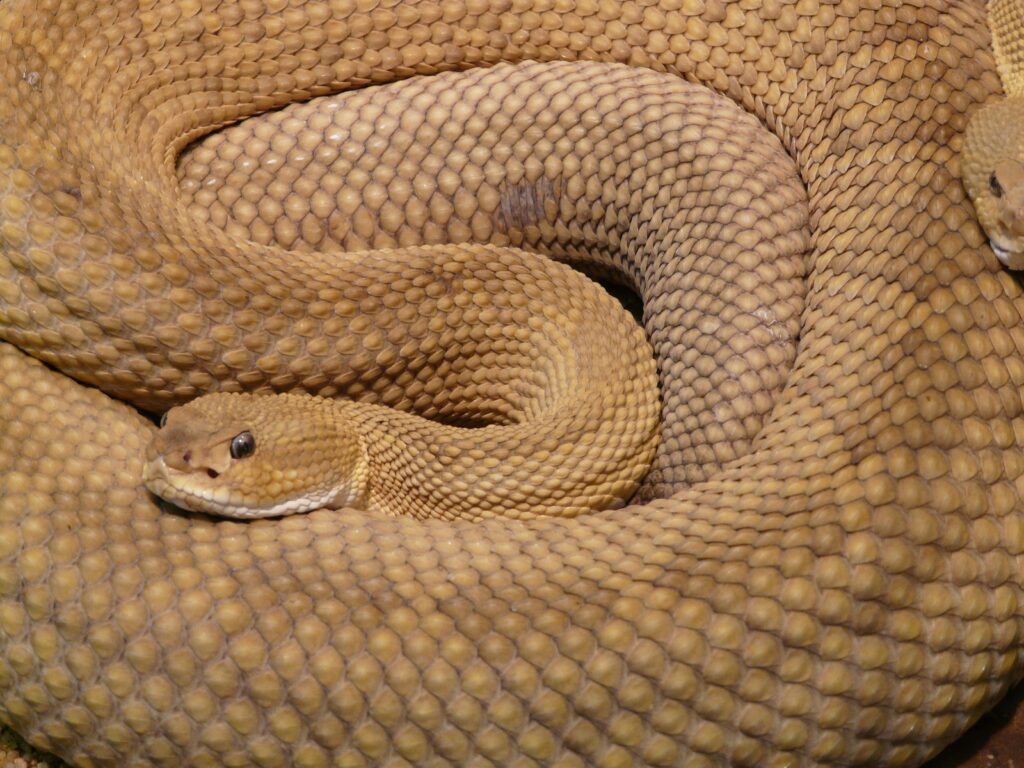
- Predator smells: Snakes are wary of potential predators and tend to avoid areas where predator smells are present. This includes the scent of animals that are known to prey on snakes, such as birds of prey, mongoose, or certain mammals. The smell of predator urine, feces, or other bodily secretions can trigger a snake’s instinct to avoid the area as a means of self-preservation.
- Human scent: Snakes are generally wary of human scent, which they perceive as a potential threat. The smell of human sweat, oils, or other bodily odors can be off-putting to snakes and may cause them to avoid areas where humans have been. This is especially true in areas where snakes are not accustomed to human presence, such as in remote wilderness areas.
- Chemical repellents: There are various chemical repellents available in the market that are specifically formulated to deter snakes. These repellents typically contain natural or synthetic compounds that emit strong odors that snakes find unpleasant. Examples of such compounds include naphthalene, sulfur, ammonia, or cinnamon oil. When applied to the environment or objects, these repellents can create a barrier that snakes may avoid due to the strong scent.
- Strong-smelling plants: Certain plants have strong-smelling properties that snakes may find repulsive. For example, plants like marigolds, lemongrass, garlic, or onion are known to have pungent odors that snakes may avoid. Planting these types of plants in and around areas where snakes are not wanted, such as gardens or yards, may help deter snakes from entering those areas.
- Animal odors: Snakes are sensitive to the smells of other animals, and the scent of potential prey or predators can affect their behavior. For example, the smell of a potential prey species, such as rodents or birds, may attract snakes to an area. On the other hand, the scent of animals that are known to prey on snakes, such as certain mammals or birds of prey, may cause snakes to avoid the area.
- Strong-smelling chemicals or cleaners: Snakes may also be deterred by the smell of certain chemicals or cleaners. For example, strong-smelling household cleaners, bleach, or ammonia-based products may have an unpleasant scent to snakes and may discourage them from entering treated areas. However, it’s important to note that using chemicals or cleaners to repel snakes should be done with caution, as some chemicals can be harmful to humans and other animals as well.
- Smells associated with danger or threat: Snakes are instinctive creatures, and they may avoid areas that smell dangerous or threatening to them. For example, the smell of fire, smoke, or burning can signal danger to snakes, and they may avoid areas with these smells as a means of self-preservation. Similarly, the smell of chemicals associated with toxic or hazardous materials may deter snakes from entering treated areas.
- Rotting or decaying smells: Snakes are known to avoid areas with the smell of rotting or decaying materials. This is because rotting or decaying smells can indicate the presence of dead animals, which snakes may avoid as they prefer to feed on live prey. Additionally, the smell of rotting or decaying materials
What smells do snakes avoid?