One of the most common sounds associated with a blown head gasket is a hissing or tapping noise. This noise is often caused by a loss of compression in one or more cylinders, which can lead to a loss of power and acceleration. As the engine tries to compensate for the lost power, it may produce a hissing or tapping noise that can be heard from inside the vehicle.
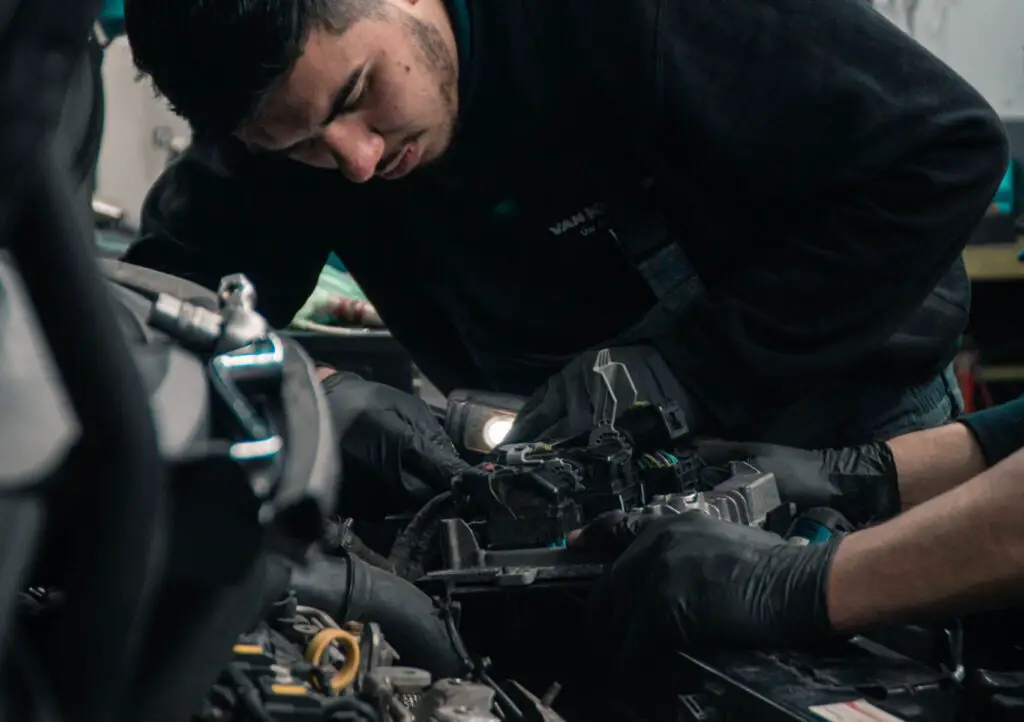
Another sound that may be indicative of a blown head gasket is a loud knocking or banging noise. This noise is often caused by a lack of lubrication in the engine, which can result in metal-on-metal contact between the engine’s moving parts. If the head gasket is damaged, it may cause a loss of oil pressure, which can lead to this type of noise.
A blown head gasket may also produce a whistling or squealing noise. This noise is often caused by a leak in the exhaust system, which can occur when the head gasket fails. As exhaust gases leak out of the engine, they may produce a high-pitched whistling or squealing noise that can be heard from inside the vehicle.
A blown head gasket can also cause a rumbling or popping noise. This noise is often caused by a misfire in the engine, which can occur when the head gasket fails. As the engine misfires, it may produce a rumbling or popping noise that can be heard from inside the vehicle.
In addition to these specific sounds, a blown head gasket can also cause a range of other symptoms that can be indicative of the problem. These may include overheating of the engine, loss of power and acceleration, smoke or steam coming from the engine, or a sweet smell coming from the exhaust system. If you are experiencing any of these symptoms, it is important to have your vehicle inspected by a qualified mechanic as soon as possible to diagnose and repair the problem.
It is worth noting that not all blown head gaskets will produce noticeable sounds. In some cases, the only symptom may be a loss of power or acceleration or a noticeable drop in fuel economy. If you suspect that your vehicle may have a blown head gasket, it is important to have it inspected by a qualified mechanic who can diagnose the problem and recommend appropriate repairs.
In conclusion, a blown head gasket can produce a range of different sounds, including hissing, tapping, knocking, banging, whistling, squealing, rumbling, and popping noises. These sounds are often indicative of specific issues within the engine, such as loss of compression, lack of lubrication, or leaks in the exhaust system. If you are experiencing any of these sounds or other symptoms of a blown head gasket, it is important to have your vehicle inspected by a qualified mechanic as soon as possible to diagnose and repair the problem.