Cats are known for their sensitive hearing, and they are capable of hearing a wide range of frequencies that humans cannot detect. As a result, certain sounds can be incredibly irritating or even painful to cats. Understanding the types of sounds that cats hate can help you create a more peaceful and comfortable environment for your furry friend. In this article, we’ll explore some of the sounds that cats tend to dislike.
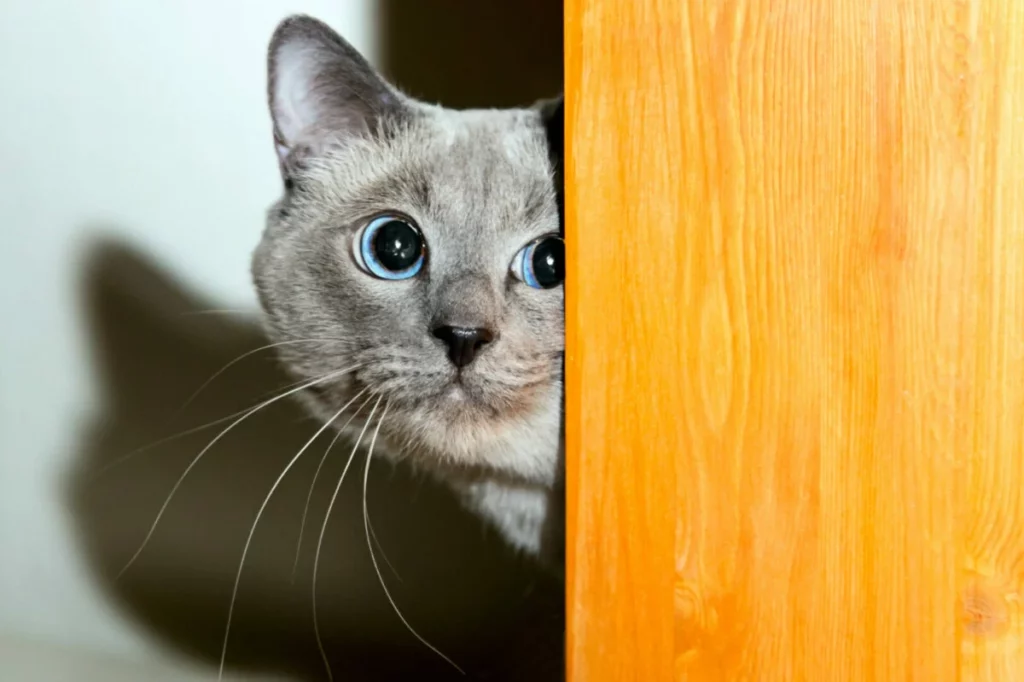
- Loud or sudden noises
One of the most obvious sounds that cats hate is loud or sudden noises. These can include things like thunder, fireworks, and gunshots. When cats hear these kinds of sounds, they often become frightened or stressed, and they may run and hide or become agitated. It’s important to note that different cats may react differently to loud or sudden noises. Some cats may become very afraid, while others may simply become a little anxious.
- High-pitched sounds
Cats are very sensitive to high-pitched sounds, especially those in the ultrasonic range. These sounds are often used in devices designed to deter cats, such as ultrasonic pest repellents. While these devices are marketed as a safe and effective way to keep cats away from certain areas, they can actually be very distressing to your cat. If you need to deter your cat from certain areas, it’s best to use physical barriers or natural deterrents rather than relying on high-pitched sounds.
- Hissing or growling
Hissing and growling are sounds that cats use to communicate with each other when they’re feeling threatened or angry. When cats hear these sounds, they often become defensive or aggressive themselves, and may lash out or become hostile. While hissing and growling are normal parts of cat behavior, it’s important to be aware of your cat’s body language and other cues to ensure that they’re not feeling threatened or stressed.
- Vacuum cleaners
Many cats are afraid of vacuum cleaners. This is likely due to the loud noise that they make, as well as the movement of the machine itself. If you need to vacuum around your cat, it’s best to acclimate them to the noise gradually. Start by turning the vacuum on in another room and letting your cat get used to the sound from a distance. Over time, you can gradually move the vacuum closer to your cat until they’re comfortable being in the same room while you’re cleaning.
- Car engines
The sound of a car engine can also be distressing to some cats. This is particularly true if your cat is afraid of car rides or becomes anxious when you’re preparing to leave the house. If you need to take your cat in the car, it’s important to acclimate them to the sound of the engine and the movement of the car gradually. Start by sitting in the car with your cat and turning the engine on for short periods of time. Over time, you can gradually increase the duration of your car rides until your cat is comfortable being in the car for longer periods of time.
- Loud music or TV
While some cats may enjoy the sound of music or TV, others may find it overwhelming or irritating. This is particularly true if the volume is turned up too high. If you want to play music or watch TV around your cat, it’s best to keep the volume low and ensure that your cat has a quiet place to retreat to if they become overwhelmed.
- Screaming or yelling
Cats are very attuned to the tone and volume of human voices. When they hear screaming or yelling, they may become anxious or frightened. This is particularly true if the yelling is directed at them. It’s important to avoid yelling at your cat or using a harsh tone of voice, as this can damage your relationship with them and cause them to become fearful or aggressive.
In conclusion, cats