Spiders are well-known for their ability to walk on vertical surfaces and spin intricate webs, but did you know that some species of spiders can also swim? While most spiders are terrestrial and avoid water, there are several species that have adapted to living in aquatic environments, either as a permanent or temporary habitat. In this article, we will explore the various types of spiders that can swim and how they have evolved to thrive in their watery homes.
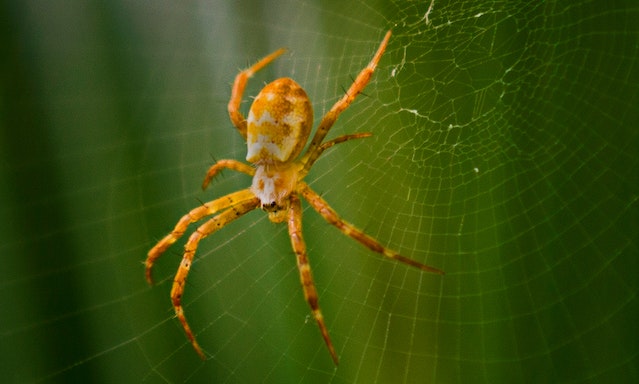
One of the most well-known swimming spiders is the fishing spider, also known as the raft spider or dock spider. These spiders are found worldwide in freshwater habitats such as ponds, streams, and marshes. Fishing spiders are large and can reach up to 2.5 inches in length, with long legs that enable them to walk on water. They use their legs to create a ripple on the surface of the water to attract prey, and when a fish or insect comes near, they quickly grab it with their strong front legs. Fishing spiders are excellent swimmers and can move across the water quickly and efficiently.
Another spider that can swim is the diving bell spider, which is found in still or slow-moving freshwater habitats such as ponds and lakes. These spiders build underwater webs that they fill with air bubbles, creating a sort of underwater bubble house where they can live and hunt for prey. Diving bell spiders are small, usually only about 1 cm in length, but they are excellent swimmers and can move quickly and efficiently through the water. They are also able to stay underwater for long periods of time due to the air bubble in their web.
In addition to fishing spiders and diving bell spiders, there are also several species of wolf spiders that can swim. Wolf spiders are found worldwide in a variety of habitats, and some species have adapted to living in aquatic environments. One example is the water spider, which is found in still or slow-moving bodies of water such as ponds, lakes, and marshes. Water spiders are small, usually only about 5-6 mm in length, and they build underwater webs that they use to catch prey. They are excellent swimmers and can move through the water quickly using their legs to paddle.
Another type of wolf spider that can swim is the nursery web spider, which is found in a variety of habitats including aquatic environments. Nursery web spiders are medium-sized, usually about 1-2 cm in length, and they build webs to protect their eggs and young. They are excellent swimmers and can move through the water quickly to escape predators or hunt for prey.
Finally, there are several species of tarantulas that have adapted to living in aquatic environments. These spiders are found in freshwater habitats such as rivers and streams in tropical regions around the world. One example is the Brazilian salmon pink tarantula, which is known for its ability to swim and dive underwater to catch fish and other aquatic prey. Tarantulas are not as efficient at swimming as some of the other spider species mentioned, but they are still able to move through the water using their legs to paddle.
In conclusion, while most spiders are terrestrial and avoid water, there are several species that have evolved to thrive in aquatic environments. Fishing spiders, diving bell spiders, water spiders, nursery web spiders, and even some tarantulas are all examples of spiders that can swim. These spiders have adapted to their watery homes in a variety of ways, from building underwater webs to using their legs to paddle through the water. While swimming spiders may seem unusual, they are an important part of the ecosystem and have evolved unique adaptations that allow them to survive and thrive in their aquatic habitats.