The United States government provides incentives and subsidies for the use of solar panels in various states. The goal of these incentives is to encourage individuals, businesses, and organizations to switch to clean energy sources, reduce greenhouse gas emissions, and combat climate change.
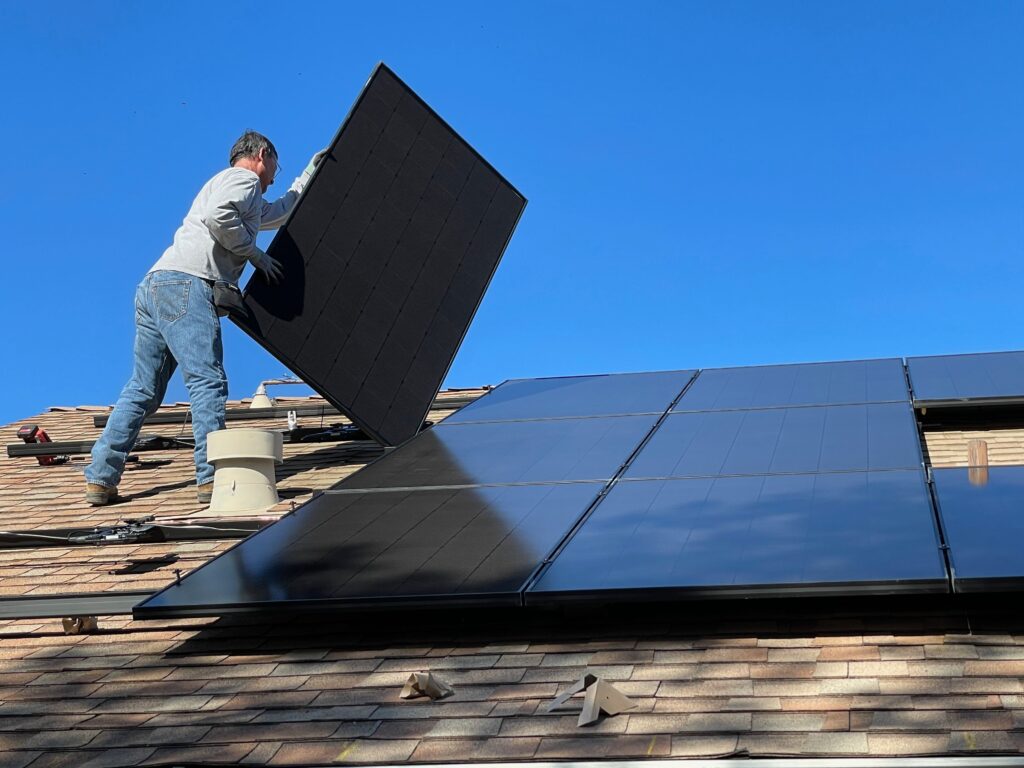
Here are some of the states where the government is paying for solar panels:
- California: California is a leader in renewable energy adoption, and the state has numerous incentive programs for solar panel installations. The California Solar Initiative (CSI) offers rebates for residential and commercial solar installations, and the Net Energy Metering (NEM) program allows customers to earn credits for excess energy their solar panels produce.
- New York: New York has a robust solar incentive program, the NY-Sun Initiative, which offers rebates and incentives for residential and commercial solar installations. The state also has a Community Solar program that allows residents who cannot install solar panels on their own property to benefit from solar power.
- Massachusetts: Massachusetts has the SMART program (Solar Massachusetts Renewable Target) that provides financial incentives for solar panel installations. The program offers a declining incentive rate over time, which encourages early adoption of solar energy.
- Arizona: Arizona has the APS Renewable Energy Incentive Program, which offers rebates for residential and commercial solar installations. The state also has a net metering program that allows customers to earn credits for excess energy their solar panels produce.
- Texas: Texas has the Solar PV Rebate Program, which offers rebates for residential and commercial solar installations. The program has a fixed budget and is available on a first-come, first-served basis.
- New Jersey: New Jersey has the Clean Energy Program, which offers financial incentives for solar panel installations. The program includes rebates and performance-based incentives.
- Oregon: Oregon has the Energy Trust of Oregon Solar Incentive Program, which offers cash incentives for residential and commercial solar installations. The program also offers technical assistance and support for solar energy projects.
- Maryland: Maryland has the Solar Energy Grant Program, which offers grants for residential and commercial solar installations. The program is available to homeowners, businesses, and nonprofit organizations.
- Colorado: Colorado has the Solar Rewards Community program, which offers incentives for community-based solar projects. The program also offers rebates for residential and commercial solar installations.
- Connecticut: Connecticut has the Residential Solar Investment Program, which offers rebates for residential solar installations. The program also has a Solar for All program that provides incentives for low- and moderate-income households to install solar panels.
In addition to these states, many other states offer incentives and subsidies for solar panel installations. These programs vary in their scope, eligibility requirements, and funding levels. Some states also have tax credits or exemptions for solar energy systems, which can further reduce the cost of installing solar panels.
Overall, the government’s support for solar energy is an important step towards a more sustainable future. By encouraging the adoption of solar panels, the government can help reduce greenhouse gas emissions, promote energy independence, and create jobs in the renewable energy sector.