Growth and change are fundamental aspects of life that are crucial for progress and development. Symbolism has long been used to represent these concepts, with various symbols holding unique meanings and significance. In this article, we will explore some of the most popular symbols of growth and change, what they represent, and their cultural significance.
One of the most prominent symbols of growth and change is the tree. Trees begin as tiny saplings and eventually grow into towering giants, transforming the landscape around them. They symbolize the cycle of life, from birth to maturity to death and rebirth. Trees are also associated with strength, stability, and longevity, as many can live for hundreds or thousands of years. In many cultures, trees are also associated with wisdom and knowledge, as their branches spread out in all directions, like the branches of knowledge and understanding. The roots of trees also represent the connection to the earth, grounding us and reminding us of our place in the natural world.
Another common symbol of growth and change is the butterfly. Butterflies start life as a caterpillar, crawling along the ground and eating leaves. However, they undergo a transformation, spinning a cocoon and emerging as a beautiful butterfly. Butterflies represent the idea that change can be beautiful and transformative, and that even the most humble beginnings can lead to great things. In many cultures, butterflies are associated with the soul and the afterlife, with the transformation from a caterpillar to a butterfly seen as a metaphor for the journey of the soul after death. Butterflies are also associated with joy, freedom, and the beauty of nature.
The phoenix is a mythical bird that symbolizes rebirth and renewal. According to legend, the phoenix lives for hundreds of years before burning itself to ashes, only to rise again from the ashes in a new form. The phoenix represents the idea that even after the most devastating setbacks, there is always the possibility of renewal and regeneration. In many cultures, the phoenix is also associated with the sun and the cycle of the seasons, with the phoenix reminding us that nothing in life is permanent, and that change is an essential part of the natural world.
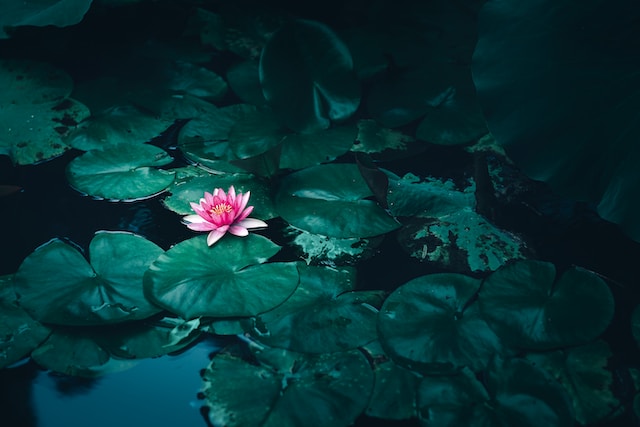
The lotus flower is a popular symbol of growth and change in many Asian cultures. The lotus starts life as a seed in the mud at the bottom of a pond or river. However, it grows up through the water, eventually breaking the surface and blooming into a beautiful flower. The lotus represents the idea that even in the darkest and dirtiest of places, there is the potential for growth and transformation. In many cultures, the lotus is also associated with spiritual enlightenment and purity, with the lotus flower often depicted as rising up out of the mud, representing the idea that enlightenment can arise even in the most difficult and challenging circumstances.
The spiral is a powerful symbol of growth and change, representing the idea that life moves in cycles and that each cycle builds on the one before it. The spiral is also associated with evolution and transformation, as each turn of the spiral represents a new level of awareness or understanding. In many cultures, the spiral is also associated with the journey of the soul, with the spiral seen as a metaphor for the journey from birth to death and beyond, with each turn representing a new level of spiritual understanding or awareness.
Lastly, the Phoenix tree (Feng Shu in Chinese) symbolizes growth, renewal, and rebirth. It is named after the mythical bird Phoenix, which we have already discussed. This tree is native to Asia and is considered a symbol of good luck, prosperity, and strength. In Chinese culture, the Phoenix tree represents the cycle of life, with the tree shedding its leaves in the fall, lying dormant during the winter, and blooming in the spring.