After midnight, the early morning hours begin. This period of time is often referred to as the “wee hours” or “small hours” of the morning. It is the time when the night is winding down, but the day has not yet begun. Depending on the context and the culture, there are various terms used to describe this time of day. In this response, I will explore the different names used for the time after midnight.
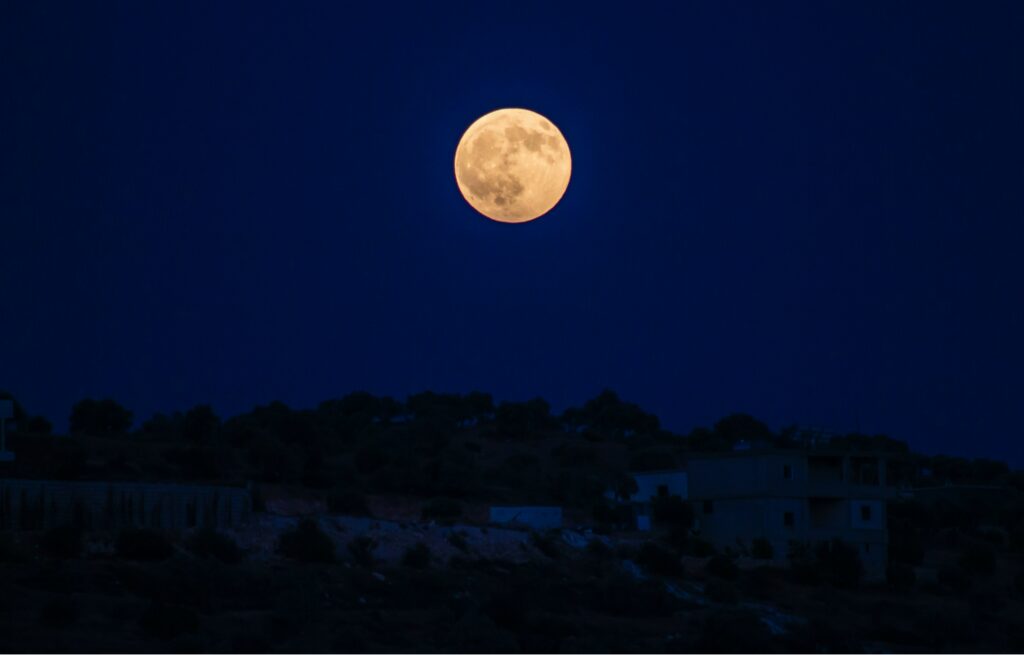
One of the most commonly used terms for the time after midnight is the “early morning.” This phrase implies that it is still nighttime, but the morning is just around the corner. It is often used in a practical sense, such as when someone needs to wake up early for work or to catch a flight. In this context, the early morning hours are seen as a time to prepare for the day ahead.
Another term used to describe the time after midnight is the “small hours” or the “wee hours.” These phrases are often used to describe the early morning hours between midnight and dawn. They can be used interchangeably, and both imply that it is a time when most people are asleep. The phrase “small hours” can be traced back to the early 19th century, and it is often used in a poetic or romantic sense. The term “wee hours” is more commonly used in Scottish and Irish English and has a more casual connotation.
In some cultures, the time after midnight is referred to as the “witching hour.” This term has a supernatural connotation and is believed to be the time when witches and other supernatural creatures are most active. The witching hour is often associated with fear and is used in horror movies and literature to create a sense of tension and unease.
In some parts of the world, the time after midnight is referred to as the “dead of night.” This phrase implies that it is the darkest and quietest time of the night. It can be used in a literal sense, such as when describing a scene in a book or movie, or in a figurative sense, such as when describing a difficult or challenging situation.
In military jargon, the time after midnight is referred to as “zero-dark-thirty” or “oh-dark-thirty.” These terms are used to describe the time when a military operation is scheduled to begin. They imply that it is still nighttime, but the mission is about to commence.
In the entertainment industry, the time after midnight is often referred to as the “late night.” This phrase is commonly used to describe television shows or events that take place after midnight. Late-night television shows, for example, are known for their comedic skits and interviews with celebrities.
In conclusion, there are various terms used to describe the time after midnight, each with its own connotations and cultural associations. From the practical “early morning” to the supernatural “witching hour,” the names used for this time of day reflect our attitudes and beliefs about the night and the day that follows. Whether you call it the “wee hours,” “dead of night,” or “late night,” this period of time has a unique character and significance that is both fascinating and elusive.