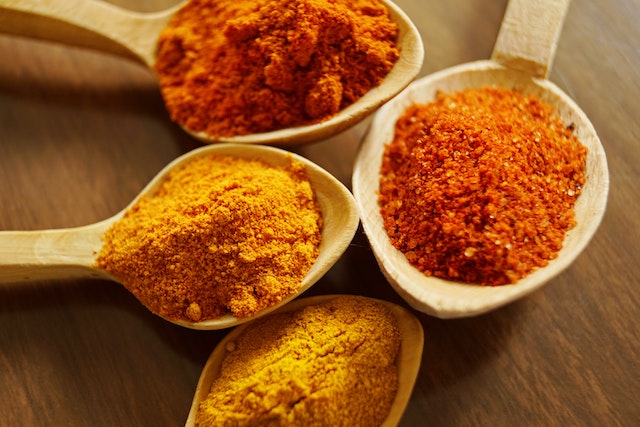
Turmeric, a spice commonly used in Indian cuisine, has gained popularity in recent years due to its potential health benefits. One of the main active compounds in turmeric is curcumin, which has anti-inflammatory and antioxidant properties. Research has suggested that turmeric may help reduce inflammation, lower cholesterol levels, improve brain function, and even potentially prevent cancer.
While turmeric can be consumed in many forms, such as in curries, teas, or supplements, the timing of its consumption can play a role in its effectiveness. Here are some factors to consider when deciding on the best time of day to take turmeric:
- With meals
It is generally recommended to consume turmeric with meals to aid in absorption. Turmeric is fat-soluble, meaning it needs to be consumed with some fat to increase its absorption in the body. Eating a meal that contains healthy fats such as olive oil, nuts, or avocado alongside turmeric can enhance the bioavailability of curcumin.
- Morning or night
There is no specific time of day that is universally recommended for taking turmeric. Some sources suggest taking turmeric in the morning, while others recommend taking it at night. Ultimately, the decision depends on individual preferences and lifestyle habits.
For those who prefer to take supplements, taking turmeric in the morning may be beneficial as it can provide a boost of energy and help reduce inflammation throughout the day. On the other hand, taking turmeric at night may be more effective for those looking to improve their sleep quality. Curcumin has been shown to have a calming effect on the body and may promote better sleep.
- Timing around medications
It is important to be mindful of the timing of turmeric consumption if taking certain medications. Turmeric may interact with blood-thinning medications such as aspirin and warfarin, as well as certain diabetes medications. In these cases, it is important to speak with a healthcare provider to determine the best timing and dosage of turmeric to avoid any potential negative interactions.
- Consistency
Consistency in consumption may be more important than timing for those looking to reap the benefits of turmeric. Research has suggested that long-term and consistent consumption of turmeric may be more effective in reducing inflammation and improving health outcomes. Incorporating turmeric into daily meals or taking a supplement regularly may be more beneficial than sporadically consuming it at specific times of the day.
- Personal factors
Individual factors such as age, health status, and lifestyle habits may also play a role in determining the best time of day to take turmeric. For example, those with digestive issues may find it helpful to take turmeric with meals to aid in digestion. Similarly, those with sleep issues may benefit from taking turmeric at night to promote relaxation and better sleep.
In conclusion, while there is no one-size-fits-all answer to the best time of day to take turmeric, there are several factors to consider when making this decision. Consuming turmeric with meals, being mindful of timing around medications, and incorporating turmeric consistently into daily habits may all contribute to its effectiveness. Ultimately, individual preferences and lifestyle habits should guide the decision on when to consume turmeric to best support health and wellbeing.