Gabriel is an important figure in several religious traditions, including Judaism, Christianity, and Islam. In each of these traditions, Gabriel is portrayed as a messenger of God, tasked with delivering important messages to humans. However, there is no specific mention of Gabriel committing a sin in any of these religious texts.
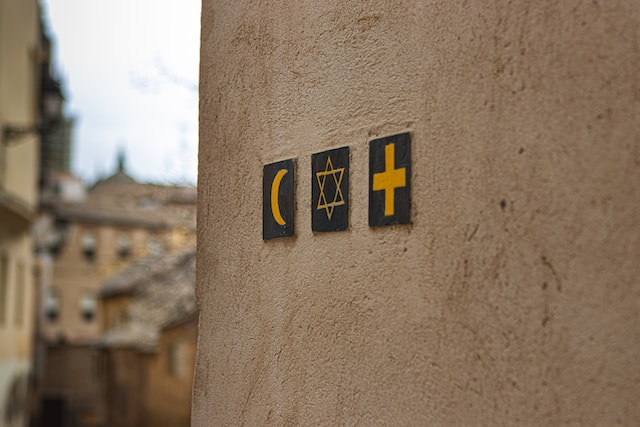
In Christianity, Gabriel is best known for his appearance to the Virgin Mary to announce that she had been chosen by God to bear a son, who would be named Jesus. This event is known as the Annunciation, and it is celebrated by Christians around the world as a significant moment in the history of salvation. Gabriel is also believed to have appeared to Zechariah, the father of John the Baptist, to announce that he would be born to Zechariah’s wife, Elizabeth.
In Islam, Gabriel is known as Jibril and is considered to be one of the most important angels in the Islamic tradition. Like in Christianity, Gabriel is believed to have appeared to the Prophet Muhammad, delivering the message of the Quran from God. According to Islamic tradition, Gabriel is responsible for delivering God’s messages to all of the prophets in the Islamic tradition, including Adam, Abraham, Moses, and Jesus.
In Judaism, Gabriel is also considered to be a messenger of God, tasked with delivering important messages to humans. However, the role of Gabriel is not as prominent in Judaism as it is in Christianity and Islam.
Despite Gabriel’s important role in these religious traditions, there is no mention of him committing a sin. In fact, Gabriel is typically portrayed as a righteous and obedient servant of God, always carrying out his duties without question. It is possible that the idea of Gabriel committing a sin is a product of later interpretations or folklore surrounding the figure of Gabriel.
In some esoteric or mystical traditions, there are stories of angels, including Gabriel, rebelling against God or engaging in sinful behavior. These stories are not considered canonical in any of the major religious traditions and are typically viewed as folklore or allegory rather than literal truth.
In conclusion, there is no specific mention of Gabriel committing a sin in any of the major religious traditions in which he appears. While there may be stories or folklore surrounding the idea of angels rebelling against God, these are not considered canonical in any of the major religious traditions and are typically viewed as allegory rather than literal truth.