The biggest bear that ever lived was the Arctotherium angustidens, also known as the South American giant short-faced bear. This extinct species of bear is believed to have lived during the Pleistocene epoch, which lasted from about 2.6 million years ago to about 11,700 years ago.
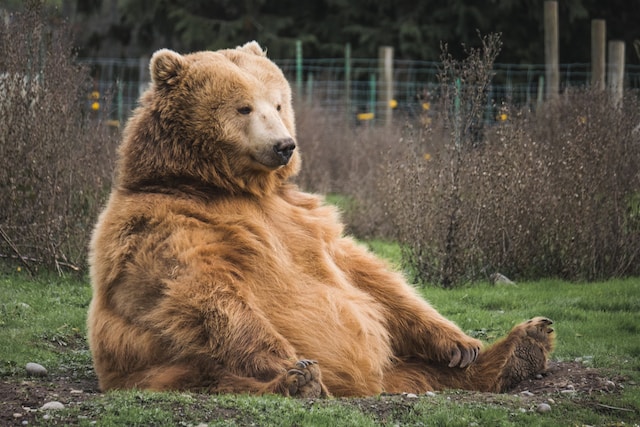
The Arctotherium angustidens was first discovered in Argentina in the early 20th century, and it quickly gained a reputation as one of the largest carnivorous mammals that ever lived. Based on fossil evidence, scientists estimate that this bear species could grow to be up to 11 feet tall when standing on its hind legs, and it could weigh as much as 3,500 pounds. This makes it considerably larger than modern-day bears like the Kodiak and polar bears, which typically weigh around 1,000 to 1,500 pounds.
One of the factors that made the Arctotherium angustidens so formidable was its incredibly powerful jaw muscles. These muscles were so strong that they allowed the bear to exert a crushing force of up to 1,200 pounds per square inch. This means that the bear could easily crush the skulls of its prey, which likely included large herbivores like giant ground sloths and mastodons.
Another distinctive feature of the Arctotherium angustidens was its short face, which is thought to have evolved as an adaptation to its carnivorous diet. The bear’s short snout and large teeth would have made it well-suited to eating meat, while its powerful forelimbs and sharp claws would have allowed it to tackle large prey.
Despite its impressive size and strength, the Arctotherium angustidens went extinct around 11,000 years ago, around the same time as many other large mammal species. The exact cause of this extinction is still a matter of debate among scientists, but some have suggested that climate change, overhunting by humans, or a combination of factors may have played a role.
Although the Arctotherium angustidens is now extinct, its legacy lives on in the modern-day bears that are its closest living relatives. Like the South American giant short-faced bear, modern bears have powerful jaws and sharp claws that make them skilled predators. They also have a highly adaptable diet, and can survive on a variety of foods, including fruits, nuts, and fish.
In addition to the Arctotherium angustidens, there have been other large bear species throughout history. For example, the largest known species of bear that is still alive today is the Kodiak bear, which can weigh up to 1,500 pounds. The polar bear, which is the largest land predator in the world, can weigh up to 1,200 pounds.
In conclusion, the Arctotherium angustidens was the biggest bear that ever lived. This South American giant short-faced bear was an impressive animal, with a massive size and incredible strength that allowed it to dominate its environment. While the species is now extinct, its legacy lives on in the modern-day bears that are its closest living relatives.