There are a variety of winds that can pose a danger to planes while in flight. Pilots are highly trained to avoid such hazards and airports utilize sophisticated radar systems to detect them.
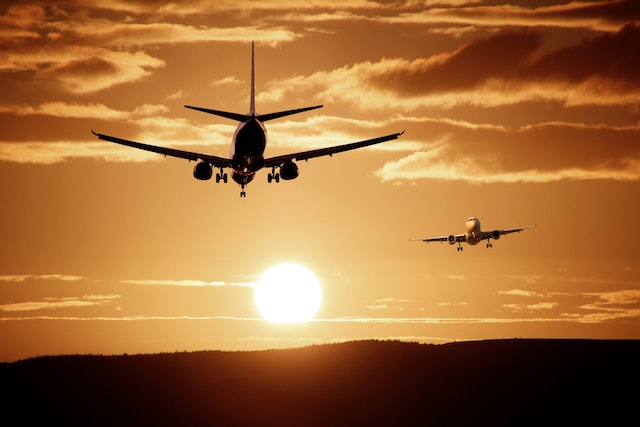
Windshear is among the most perilous types of wind for airplanes. This occurs when wind speed and/or direction suddenly changes within a few hundred feet, causing a rapid loss of lift that can lead to a sudden drop. Such changes have resulted in fatal crashes in the past.
Turbulence is another type of wind that can be risky. This occurs when air masses of differing temperatures mix, causing a bumpy ride for passengers. Though it is generally not life-threatening, severe turbulence can cause injuries and damage to the plane. Pilots can sometimes avoid turbulence by changing course, but occasionally it can be unexpected and unavoidable.
Strong crosswinds are also hazardous to planes. Crosswinds are those that blow perpendicular to the runway, making it difficult for pilots to maintain alignment during takeoff and landing. In extreme cases, crosswinds can cause a plane to veer off course or even flip. Pilots are trained to deal with these situations, but in severe cases may opt to land elsewhere.
Tailwinds can be dangerous too. These winds blow in the same direction as the plane, allowing it to take off and land more quickly but also making it harder to slow down during landing. In some cases, tailwinds have caused planes to overrun runways. Pilots are trained to adjust their speed and distance calculations based on wind conditions and may delay takeoff or divert if the tailwind is too strong.
Finally, microbursts can be extremely hazardous. These small, localized downdrafts can cause sudden and dramatic changes in wind speed and direction, leading to rapid drops in altitude that are difficult to recover from. Microbursts have caused fatal crashes in the past, but pilots are trained to recognize and avoid them and airports use advanced radar systems to detect them.
In conclusion, there are several types of winds that can pose risks to planes, including windshear, turbulence, strong crosswinds, tailwinds, and microbursts. Pilots and airports work together to minimize the danger, but sometimes unexpected and unavoidable circumstances arise.