If a nuclear bomb were to hit New York City, the effects would be catastrophic. A nuclear explosion is one of the most devastating events that can occur, releasing an enormous amount of energy in the form of heat, light, and radiation. The impact of a nuclear bomb on a densely populated city like New York would be unimaginable, with consequences that would last for years to come.
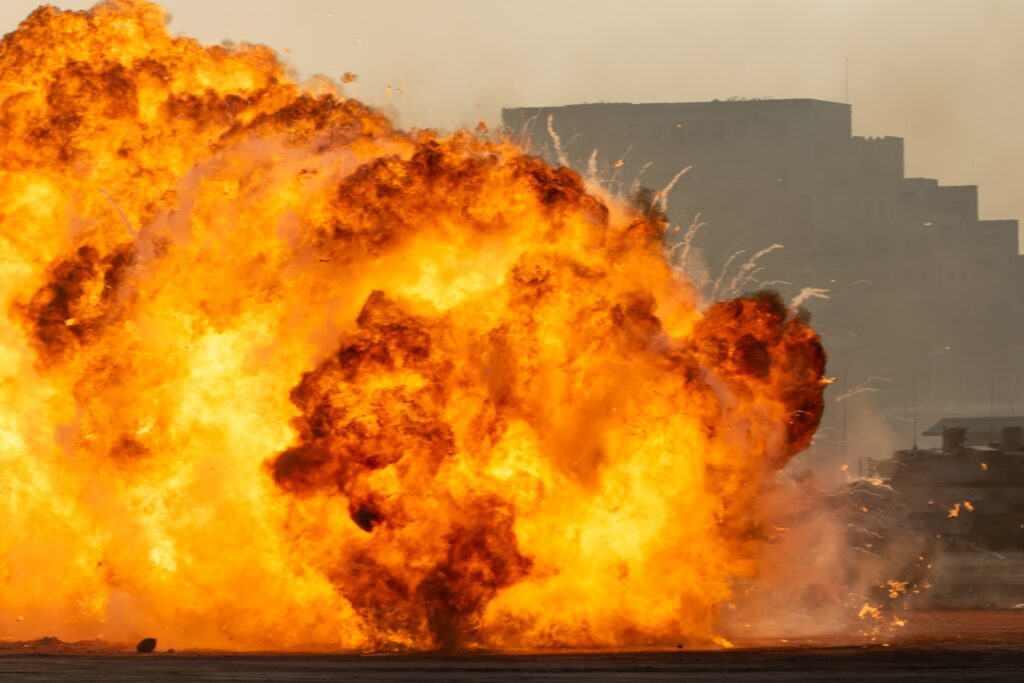
First and foremost, the immediate impact of a nuclear bomb would be the destruction of buildings, infrastructure, and people in the blast radius. The exact size of the blast radius would depend on the size of the bomb, but it would likely extend for several miles in every direction. Buildings and structures within this radius would be completely destroyed, and anyone caught in the blast would be killed instantly. The heat generated by the explosion would be intense enough to ignite fires throughout the city, causing even more destruction.
The blast wave would also create a massive shockwave, sending debris and shrapnel flying in all directions. Windows, doors, and other structures would be blown out, and people caught in the open would be knocked down and injured or killed. The shockwave could also cause significant damage to infrastructure, such as bridges, tunnels, and highways, further hindering rescue efforts and exacerbating the impact of the explosion.
In addition to the immediate impact, a nuclear bomb would also release a significant amount of radiation into the environment. This radiation would cause both immediate and long-term health effects for anyone exposed to it. Immediately after the blast, people closest to the explosion would be exposed to high levels of radiation, leading to burns, radiation sickness, and potentially death. The radiation would also contaminate the environment, making it unsafe for people to return to the affected areas for months or even years after the explosion.
The long-term health effects of radiation exposure are also significant. Radiation exposure can cause a range of illnesses, including cancer, genetic mutations, and reproductive damage. The effects of radiation exposure can be passed down through generations, meaning that the impact of a nuclear bomb would be felt for decades or even centuries after the initial explosion.
The economic impact of a nuclear explosion in New York City would also be significant. New York is one of the world’s largest financial centers, and a nuclear explosion would disrupt global financial markets and cause widespread economic damage. The cost of rebuilding the city and supporting those affected by the explosion would be enormous, and it is unlikely that any government or organization could fully cover these costs.
In the aftermath of a nuclear explosion, emergency services and first responders would be stretched thin. Hospitals and medical facilities would be overwhelmed with patients, and the infrastructure needed to support these facilities would likely be damaged or destroyed. Law enforcement and emergency services would be tasked with managing the immediate aftermath of the explosion, including evacuating survivors, treating the injured, and managing the radiation contamination.
Overall, the impact of a nuclear explosion in New York City would be devastating, with consequences that would last for years or even decades. The immediate destruction of buildings, infrastructure, and people would be accompanied by long-term health effects and economic damage. While the likelihood of a nuclear explosion occurring in New York City is low, it is important to be aware of the potential consequences and to take steps to prevent nuclear war and promote peace and diplomacy between nations.