Code white is a term used in hospitals to indicate a situation in which there is an aggressive or violent person present. This term is commonly used in psychiatric or behavioral health units, emergency departments, and other areas of a hospital where patients may be experiencing mental health crises or have behavioral issues.
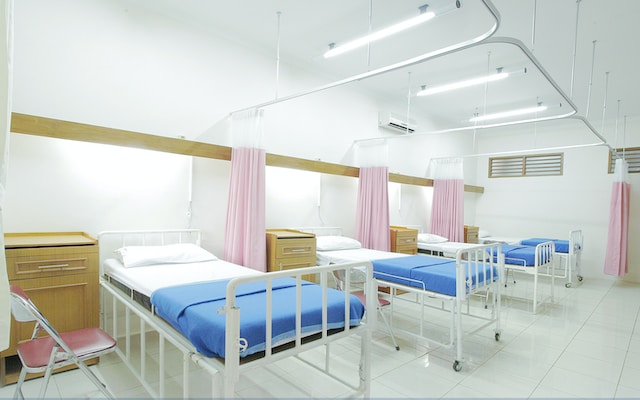
The reason behind such violent and aggressive behavior may vary from psychiatric conditions such as schizophrenia or bipolar disorder, substance abuse, dementia, or other medical conditions that affect behavior. It becomes extremely crucial to ensure the safety of everyone present when such patients become violent or pose a threat to themselves or others. The hospital staff, in such cases, may initiate a code white to ensure the safety of everyone involved.
The specific protocols and procedures for a code white may vary depending on the hospital or healthcare facility. However, there are some general guidelines that are often followed in these situations. When a code white is called, hospital staff may use a variety of techniques to try and de-escalate the situation and prevent harm to anyone involved.
The first technique hospital staff may use is verbal intervention. They try to calm down an agitated patient by talking to them in a calm and reassuring tone of voice. They may try to redirect the patient’s attention or provide them with options to help them feel more in control of the situation. Such intervention may prove effective as it makes the patient feel heard and understood, which in turn may help them calm down.
Physical intervention is another technique that may be used if a patient becomes physically aggressive. Hospital staff may use physical intervention techniques to prevent harm to themselves or others. This may include using restraints or other methods to immobilize the patient until they can be calmed down. Such methods may be used if the patient continues to be aggressive and poses a threat to themselves or others.
In some cases, medication may also be administered to an agitated patient to help calm them down and prevent them from harming themselves or others. Such medication may prove to be useful in situations where verbal intervention and physical intervention prove ineffective. However, the use of medication should only be done after proper consultation with a medical practitioner and should be administered in appropriate doses.
Effective communication is crucial in such situations. Hospital staff may communicate with other healthcare professionals involved in the patient’s care to ensure that everyone is aware of the situation and taking appropriate steps to manage it. Proper communication helps in bringing everyone on the same page, which is essential in managing such situations.
After a code white is resolved, hospital staff may debrief with each other to discuss what happened and how they can improve their response in the future. Such debriefing helps in identifying any gaps in the response and improving the response in the future. Such incidents may also be reported and investigated to prevent such incidents from happening in the future.
Apart from the above interventions, hospitals may also have specific policies and procedures in place to prevent and manage violent situations. Such policies may include staff training on de-escalation techniques, security protocols to prevent unauthorized access to sensitive areas of the hospital, and policies for reporting and investigating incidents of violence.
In conclusion, Code white is a serious situation that requires a coordinated response from hospital staff to ensure the safety of everyone involved. The hospital staff may use verbal and physical intervention, administer medication, communicate effectively, and debrief after the situation is resolved. Such incidents may be prevented and managed by implementing appropriate policies and procedures, staff training, and investigating incidents of violence. Effective management of such incidents ensures the safety of patients and staff alike.