The female ram is called a ewe. The term “ram” typically refers to the male sheep, while “ewe” refers to the female sheep. The ewe is an important part of the sheep industry, as they are the primary source of wool and meat production.
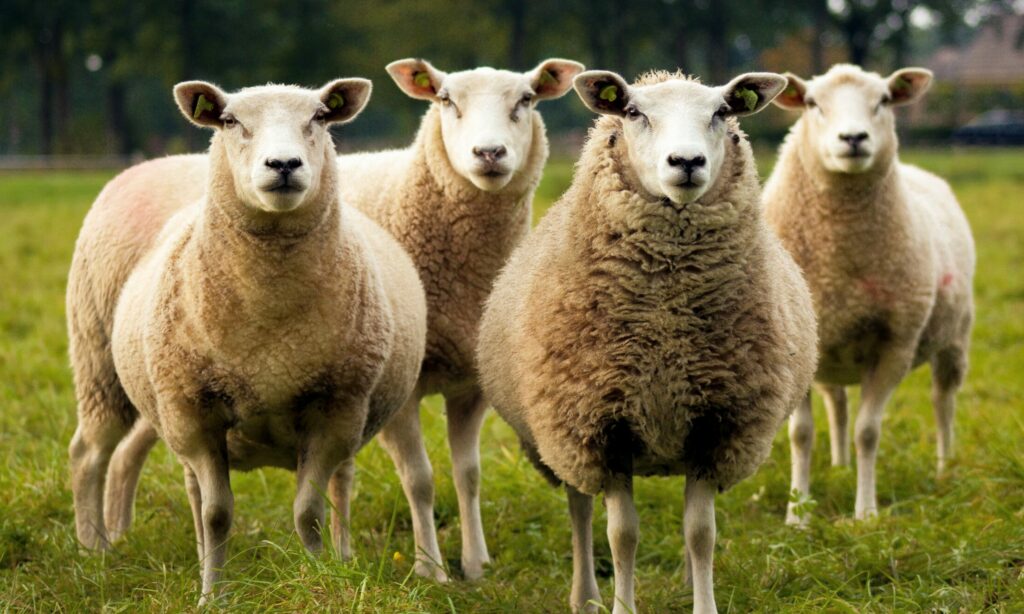
Ewes are typically smaller in size compared to rams, with a more slender and feminine appearance. They have a gentle disposition and are generally more docile than rams. Ewes are also known for their maternal instincts, as they are responsible for raising and caring for their offspring.
In the wild, ewes typically form small herds with their young and other females. During breeding season, rams will compete for the attention of the ewes, and the successful male will mate with multiple females. Ewes have a gestation period of approximately 150 days, and typically give birth to one or two lambs.
The role of the ewe in the sheep industry is significant. Ewes are primarily used for wool and meat production. The wool produced by sheep is highly valued for its warmth, softness, and durability, and is used in a variety of products such as clothing, blankets, and carpets. Ewes are also used for their meat, which is lean, tender, and rich in protein. Sheep meat is consumed around the world, and is a popular ingredient in many traditional dishes.
In addition to wool and meat production, ewes are also important for breeding. Selective breeding programs are used to improve the quality and productivity of the sheep herd. Ewes with desirable traits, such as high wool yield or strong maternal instincts, are selected for breeding, and their offspring are raised and evaluated for their own traits.
Ewes are also used for research purposes in the fields of animal behavior, nutrition, and genetics. Scientists study the behavior of sheep to better understand their social dynamics and communication patterns. Researchers also study the nutritional requirements of sheep, and how to optimize their diet for maximum productivity. Genetic studies of sheep can provide insight into the genetic basis of traits such as wool quality, disease resistance, and meat yield.
In conclusion, the female ram is called an ewe, and plays a crucial role in the sheep industry. Ewes are primarily used for wool and meat production, as well as breeding and research purposes. Their gentle disposition and maternal instincts make them an important part of the sheep herd, and their contribution to the industry is highly valued.