The Chernobyl disaster, which occurred on April 26, 1986, was one of the worst nuclear accidents in history. The explosion and subsequent fire at the Chernobyl Nuclear Power Plant in Ukraine released large amounts of radioactive materials into the environment, affecting the health and livelihoods of millions of people. Since then, the area around Chernobyl has been designated as an exclusion zone, with access restricted to prevent human exposure to the radiation. In this response, I will discuss when the Chernobyl exclusion zone might become habitable again.
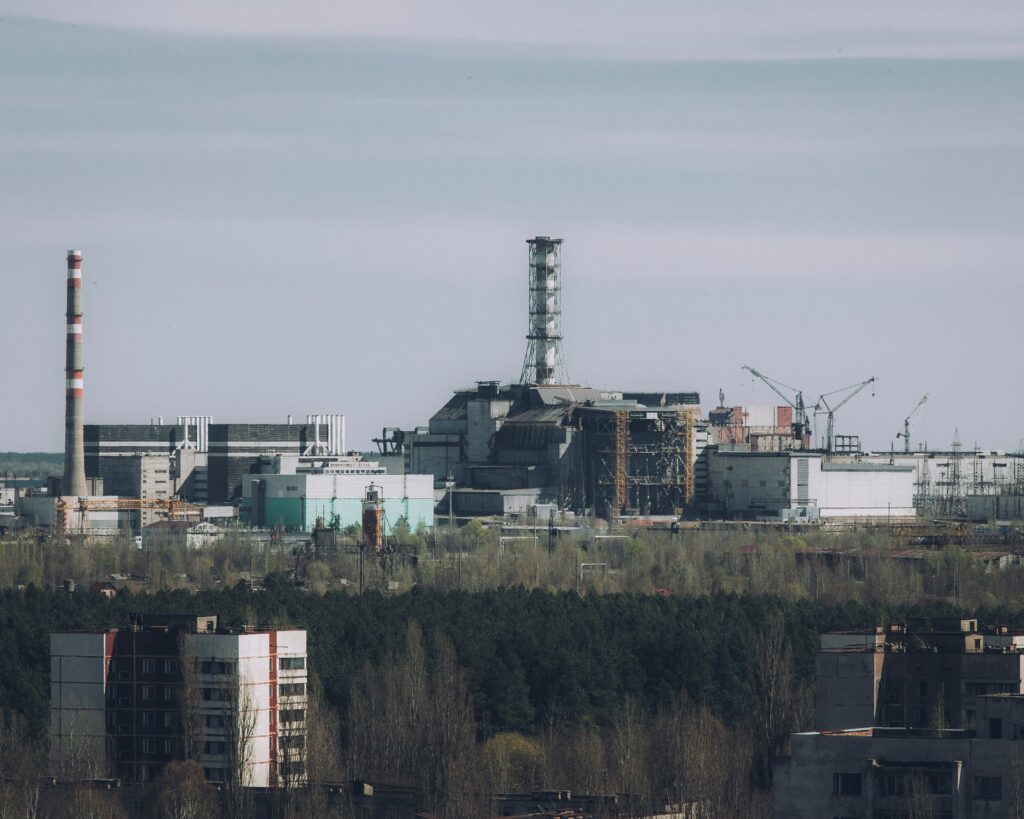
The long-term effects of radiation exposure are difficult to predict, and the timeline for when the Chernobyl exclusion zone might become habitable again is still uncertain. However, significant progress has been made in reducing the radiation levels in the area, and some experts predict that the exclusion zone could become habitable again within the next few decades.
One of the main challenges in making the exclusion zone habitable again is the presence of radioactive isotopes in the soil, water, and air. These isotopes, such as cesium-137 and strontium-90, can remain in the environment for hundreds of years, emitting radiation that can be harmful to human health. To reduce the radiation levels in the exclusion zone, a variety of measures have been taken, including decontamination of soil and buildings, and the removal of contaminated materials.
One of the most important factors in determining when the exclusion zone might become habitable again is the rate at which the radioactive isotopes decay. Cesium-137, for example, has a half-life of about 30 years, which means that it takes 30 years for half of the original amount to decay. This means that the radiation levels in the exclusion zone are decreasing over time, but it will still take many years for them to reach safe levels.
Another factor that affects the habitability of the exclusion zone is the level of human exposure to the radiation. While the radiation levels in the area have been reduced, they are still higher than normal background levels, and prolonged exposure can increase the risk of cancer and other health problems. Therefore, any decision to lift the exclusion zone would need to take into account the risks and benefits of allowing people to live and work in the area again.
There have been several studies and proposals for making the exclusion zone habitable again. Some have suggested that the area could be used for agricultural purposes, such as growing crops or raising livestock. However, this would require strict monitoring of the food and water supplies, as well as the health of the animals and the people working in the area.
Other proposals have focused on using the exclusion zone for scientific research or as a nature reserve. The absence of human activity in the area has allowed for the growth of unique ecosystems and wildlife, and some have suggested that the exclusion zone could be turned into a wildlife sanctuary or park.
Overall, the question of when the Chernobyl exclusion zone might become habitable again is a complex one that depends on a variety of factors, including the rate of decay of the radioactive isotopes, the level of human exposure to radiation, and the risks and benefits of allowing people to live and work in the area again. While significant progress has been made in reducing the radiation levels in the area, it is likely to be many decades before the exclusion zone can be fully rehabilitated. In the meantime, it will continue to be an important site for scientific research and a reminder of the dangers of nuclear power.