Different religions have varying beliefs regarding God’s birthday, and there is no universally agreed-upon date. Monotheistic religions such as Judaism, Christianity, and Islam consider God to be eternal and without a beginning or end. Therefore, the concept of God’s birthday does not apply in these traditions. Instead, they celebrate significant events in their history, such as the birth of Jesus or the revelation of the Quran.
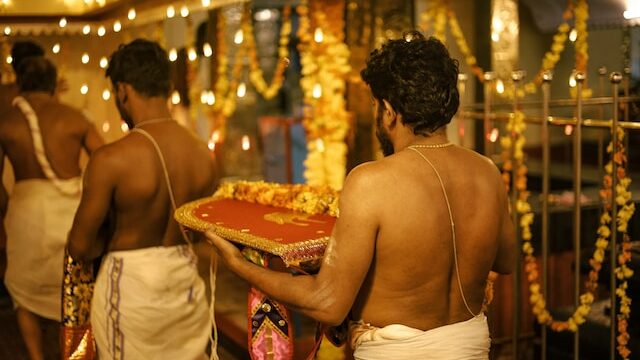
In Hinduism, which is a polytheistic religion, each deity has its own birthday and celebrations. However, Brahman, the supreme being, is believed to be beyond time and space and therefore has no specific date or occasion dedicated to celebrating its birth or existence.
Likewise, Buddhism does not recognize the existence of a personal God, and so the concept of celebrating a birthday for God is not applicable. Instead, Buddhists focus on the life and teachings of the Buddha, who is revered as a spiritual guide.
Pagan traditions such as Wicca believe in multiple deities associated with various aspects of nature and human experiences. However, there is no universal agreement on a date for celebrating the birth of a god or goddess. Instead, they tend to mark significant occasions by observing the changing seasons and cycles of nature.
In conclusion, there is no single answer to the question of when God’s birthday is, given the multifaceted and complex nature of the concept of God across different religious and spiritual traditions. While some religions celebrate the birth of key figures or events in their history, the idea of celebrating the birth of God is not applicable in many faiths. The celebration of God’s existence and influence remains a personal and individual expression, rather than being confined to a particular date or occasion.