After giving birth, it is normal for new mothers to experience changes in their menstrual cycle. The return of menstruation can vary depending on factors such as whether or not a woman is breastfeeding and the individual woman’s body. However, there may be times when a new mother may worry about not having a period after the birth of their child. In this answer, I will discuss when a woman should worry about no period after a baby and what could be the possible causes.
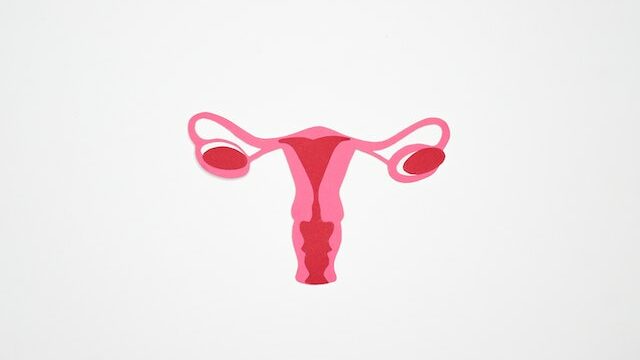
When to worry about no period after a baby?
It is generally considered normal for breastfeeding mothers to experience delayed return of menstruation. In fact, lactation-induced amenorrhea (the absence of menstruation) is a natural form of birth control. When a woman breastfeeds her child, the hormones involved in milk production suppress the hormones that trigger ovulation, which is why breastfeeding mothers may not have a period for several months after giving birth.
However, if a woman is not breastfeeding, or her baby is partially or exclusively formula-fed, and she has not had a period for six months after childbirth, it is advisable to consult with a healthcare provider. This is especially true if she had regular menstrual cycles before pregnancy.
Additionally, if a woman experiences abnormal vaginal bleeding or spotting at any time after giving birth, she should contact her healthcare provider immediately. This could be a sign of a complication, such as an infection or uterine hemorrhage.
Possible Causes of Delayed Return of Menstruation
Breastfeeding: As mentioned earlier, breastfeeding is known to suppress the hormones involved in ovulation, which can delay the return of menstruation. The length of time it takes for menstruation to return varies among women and can depend on factors such as how frequently a woman breastfeeds, how much milk she produces, and the age of her baby.
Stress: High levels of stress can disrupt the hormonal balance of the body, leading to irregular menstrual cycles or missed periods. New mothers may experience stress due to the physical demands of childbirth, sleep deprivation, and the emotional adjustments of parenthood.
Medical conditions: Certain medical conditions, such as polycystic ovary syndrome (PCOS), thyroid disorders, and pituitary tumors, can cause menstrual irregularities. These conditions require medical attention and treatment.
Pregnancy: It is possible for a woman to become pregnant again before having her first postpartum period. Therefore, if a woman is sexually active and has not yet resumed menstruation, she should use contraception to avoid an unplanned pregnancy.
Weight changes: Rapid weight gain or loss can affect hormone levels and lead to menstrual irregularities. Women who gained a significant amount of weight during pregnancy may experience delayed menstruation until they lose the weight they gained.
Conclusion
Delayed return of menstruation is a common occurrence for breastfeeding mothers, and it is generally not a cause for concern. However, if a woman is not breastfeeding and has not had a period six months after giving birth, or if she experiences abnormal vaginal bleeding or spotting, she should consult with her healthcare provider. Possible causes of delayed return of menstruation include breastfeeding, stress, medical conditions, pregnancy, and weight changes. New mothers should be aware of these possible causes and seek medical attention if necessary.