Diverticulitis is a condition in which small pouches called diverticula that form in the colon become inflamed or infected. Symptoms can range from mild to severe and include abdominal pain, fever, nausea, vomiting, and changes in bowel habits. In some cases, diverticulitis can lead to serious complications such as abscesses, perforation of the colon, and sepsis.
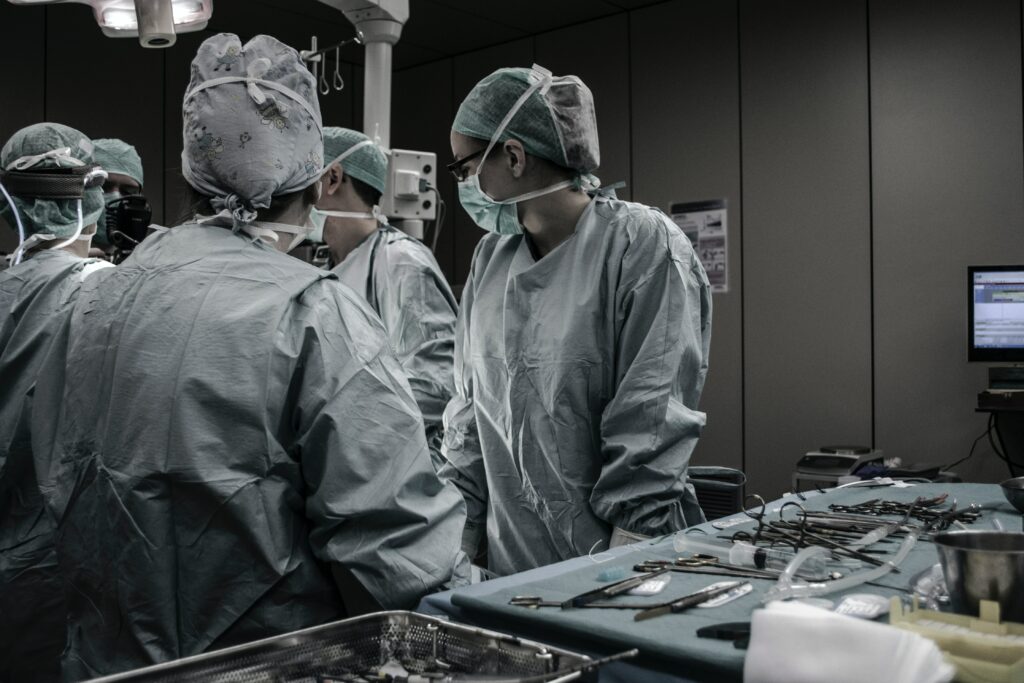
If you are experiencing symptoms of diverticulitis, it is important to seek medical attention promptly. While mild cases of diverticulitis can be managed with rest, a clear liquid diet, and antibiotics, more severe cases may require hospitalization and intervention.
Here are some guidelines to help you determine when to go to the emergency room for diverticulitis:
- Severe abdominal pain: If you are experiencing severe abdominal pain that does not respond to over-the-counter pain relievers or is accompanied by other symptoms such as fever, vomiting, or bloating, you should seek medical attention immediately. Severe abdominal pain can be a sign of a perforated colon or an abscess, both of which require immediate medical intervention.
- High fever: If you have a fever of 101 degrees Fahrenheit or higher, it is important to seek medical attention. A high fever can be a sign of infection and can indicate that your condition is worsening.
- Difficulty passing gas or stool: If you are experiencing difficulty passing gas or stool, it may be a sign that your condition is worsening and you should seek medical attention.
- Blood in stool: If you notice blood in your stool or on toilet paper, it is important to seek medical attention immediately. This can be a sign of a serious complication such as a perforated colon or a gastrointestinal bleed.
- Dehydration: If you are experiencing symptoms of dehydration such as dizziness, lightheadedness, or a dry mouth, you should seek medical attention. Dehydration can be a serious complication of diverticulitis and can lead to further health problems if left untreated.
- Previous history of diverticulitis: If you have a history of diverticulitis and are experiencing symptoms again, it is important to seek medical attention. Recurring episodes of diverticulitis can be a sign that your condition is worsening and may require more aggressive treatment.
In conclusion, if you are experiencing symptoms of diverticulitis such as abdominal pain, fever, nausea, vomiting, and changes in bowel habits, it is important to seek medical attention promptly. The severity of your symptoms will help determine whether you should go to the emergency room or schedule an appointment with your primary care physician. If you are experiencing severe abdominal pain, a high fever, difficulty passing gas or stool, blood in your stool, dehydration, or have a previous history of diverticulitis, you should seek medical attention immediately. Early diagnosis and treatment can help prevent serious complications and improve your overall health and well-being.