Hummingbirds are known for their vibrant colors, unique physical features, and their ability to hover in mid-air. These tiny birds are native to the Americas and are found from Alaska to Tierra del Fuego in South America. However, come winter, when temperatures drop and food sources become scarce, hummingbirds undergo a remarkable migration journey to find suitable habitats for survival. In this article, we will explore where hummingbirds go in the winter, their migration patterns, and how they adapt to survive during the colder months.
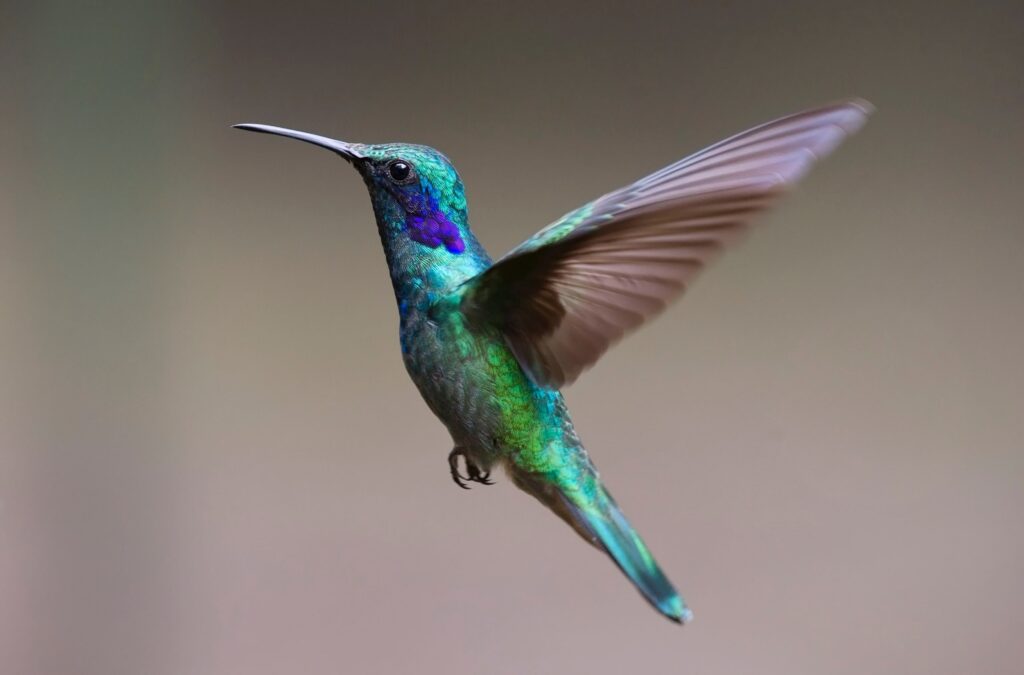
Hummingbird migration is a fascinating phenomenon that has been studied extensively by researchers and birdwatchers alike. Unlike many other bird species, hummingbirds do not migrate in flocks. They typically travel alone and cover vast distances, often crossing deserts, mountains, and oceans to reach their wintering grounds. The migration patterns of hummingbirds vary depending on their species, but most follow a general north-south route in the Americas.
One of the most well-known hummingbird species, the Ruby-throated Hummingbird, breeds in North America, from southern Alaska and Canada to the Gulf of Mexico. In the fall, as temperatures start to drop, Ruby-throated Hummingbirds embark on an incredible migration journey to their wintering grounds in Central America, Mexico, and the Caribbean. They fly non-stop for hundreds of miles, crossing the Gulf of Mexico in a single flight, which can take up to 18 hours. This journey is a remarkable feat of endurance for these tiny birds, as they cover distances of up to 2,000 miles in search of suitable wintering habitats.
Other species of hummingbirds, such as the Rufous Hummingbird, Anna’s Hummingbird, and Black-chinned Hummingbird, also migrate to escape the cold winter weather. They breed in various parts of North America, including the western United States and Canada, and travel to warmer regions in Mexico and Central America during the winter months.
Once hummingbirds reach their wintering grounds, they settle in habitats that provide them with suitable food sources and protection from the elements. These habitats often include tropical rainforests, cloud forests, and other areas with abundant flowers and insects, which serve as their primary food sources. Some species of hummingbirds also migrate to lower elevations during the winter months, where they can find more favorable temperatures and food availability.
Hummingbirds have unique adaptations that help them survive during the winter months. One of their key adaptations is the ability to enter a state of torpor, which is a type of deep sleep that allows them to conserve energy during the night or during periods of low food availability. During torpor, a hummingbird’s metabolic rate decreases significantly, and its body temperature drops to conserve energy. This allows them to survive in environments where food is scarce, and temperatures are colder.
In addition to torpor, hummingbirds also rely on their highly efficient metabolism and feeding behaviors to survive during the winter months. Hummingbirds have a high metabolism, and they need to consume large amounts of nectar and insects to sustain their energy levels. During the winter, when flowers are less abundant, they may rely more on insects and other sources of protein to meet their nutritional needs. Some species of hummingbirds also feed on tree sap, which provides them with additional energy.
Hummingbirds also face challenges during their migration and wintering periods. Deforestation, habitat loss, and climate change are some of the threats that hummingbirds encounter in their wintering grounds. Loss of suitable habitats can lead to a decrease in food availability, which can impact their survival and reproduction. Additionally, changes in weather patterns due to climate change, such as alterations in temperature and precipitation, can affect the availability of food sources and disrupt their migration patterns.
To conserve hummingbird populations and their habitats, it