Lung pain, also known as pleuritic pain or pleurisy. It is a condition that causes discomfort or pain in the chest or back area. The lungs are vital organs located in the thoracic cavity, and they play a crucial role in the respiratory system. When the lungs are affected by various conditions or diseases. They can cause pain that is often felt in the back.
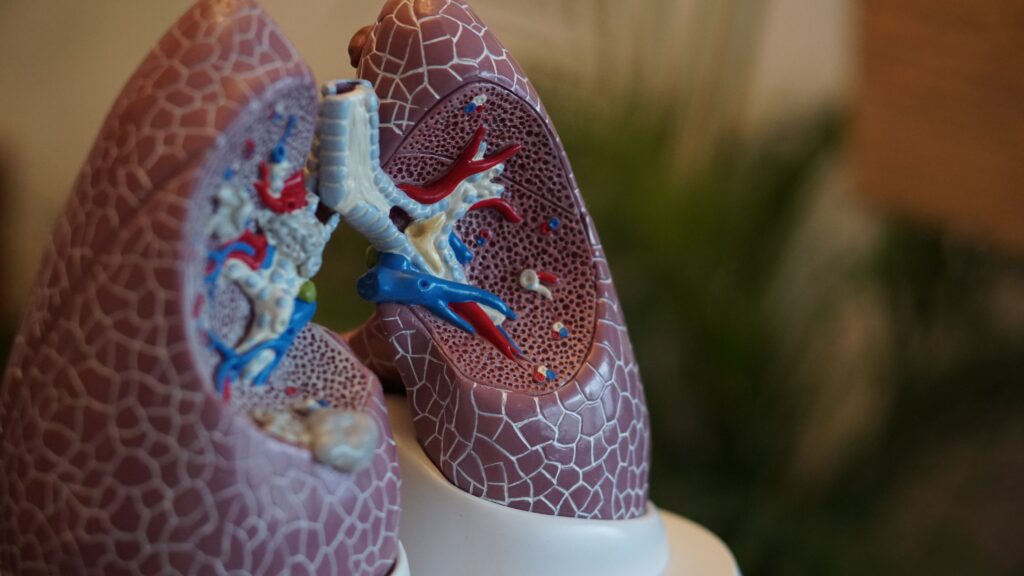
The lungs are surrounded by a double-layered membrane called the pleura, which helps protect and cushion them. The inner layer, called the visceral pleura, covers the lungs. While the outer layer, called the parietal pleura, lines the inner surface of the chest wall. The pleura contains nerve endings that can sense pain. When the pleura becomes inflamed, it can result in lung pain.
There are several conditions and diseases that can cause lung pain. The location of the pain in the back can vary depending on the underlying cause. Here are some common conditions that may cause lung pain in the back:
- Pleurisy: Pleurisy is inflammation of the pleura, and it can cause sharp or stabbing pain in the chest or back. The pain is typically aggravated by breathing, coughing, or sneezing, and it may be felt on one side or both sides of the back. Pleurisy can be caused by various factors, such as viral or bacterial infections, pneumonia, or autoimmune conditions like lupus.
- Pneumonia: Pneumonia is an infection of the lungs that can cause lung pain in the back. The pain may be localized or diffuse and may be accompanied by other symptoms like fever, cough, and difficulty breathing. Pneumonia can be caused by different types of bacteria, viruses, or fungi, and it can affect one or both lungs.
- Lung cancer: Lung cancer is a malignant tumor that originates in the lungs and can cause lung pain in the back. The pain may be dull or sharp and can be associated with other symptoms like persistent coughing, chest pain, weight loss, and fatigue. Lung cancer can spread to nearby tissues, including the pleura, which can result in back pain.
- Pulmonary embolism: A pulmonary embolism occurs when a blood clot gets lodged in the arteries that supply blood to the lungs, causing a blockage. This can lead to lung pain, which may be felt in the back. Pulmonary embolism can also cause other symptoms like shortness of breath, rapid heartbeat, and coughing up blood.
- Pleural effusion: Pleural effusion is the accumulation of excess fluid in the pleural cavity, which can cause lung pain in the back. The pain may be dull or aching and may be associated with other symptoms like difficulty breathing, coughing, and fever. Pleural effusion can be caused by various conditions, such as infections, heart failure, or malignancies.
- Rib fractures: The ribs protect the lungs, and fractures of the ribs can cause lung pain in the back. Rib fractures can occur due to trauma, such as a fall, direct blow to the chest, or motor vehicle accidents. The pain from rib fractures may worsen with deep breathing or movement of the chest and may be tender to touch.
- Thoracic disc herniation: The thoracic spine is the region of the spine that is connected to the rib cage, and herniated discs in this area can cause referred pain to the back, including the area of the lungs. Thoracic disc herniation is relatively rare compared to herniated discs in the lumbar or cervical spine, but it can cause lung pain in some cases.
- Musculoskeletal conditions: Musculoskeletal conditions affecting the muscles, ligaments.