The animal that is commonly known to have backward-bending knees is the flamingo. However, it’s important to note that the joint that is often referred to as the flamingo’s “knee” is actually its ankle.
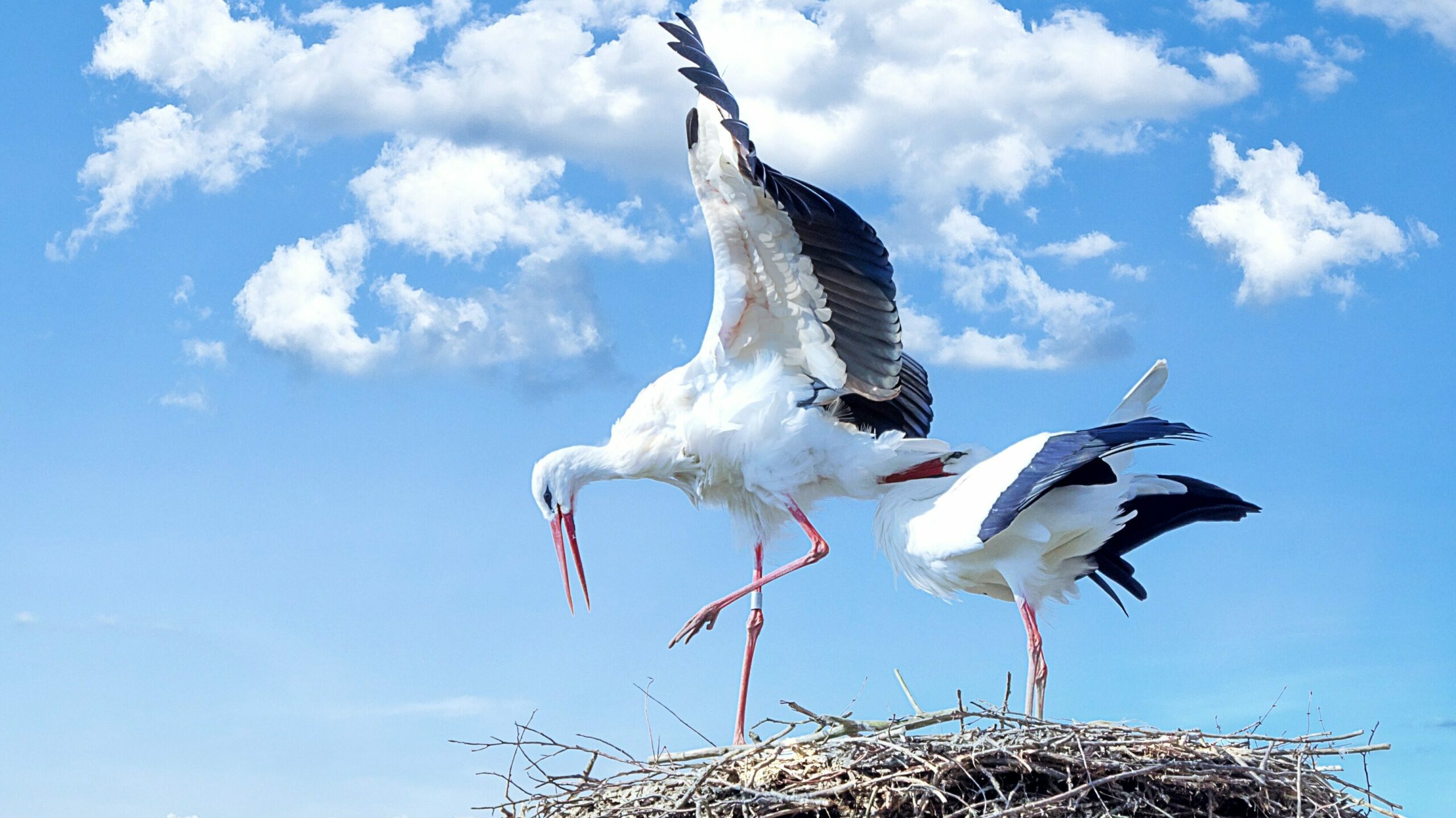
Flamingos are known for their distinctive long, thin legs, which are covered in scales and range in color from pale pink to reddish-brown. Despite their slender appearance, flamingos are actually quite strong and can stand for long periods of time without getting tired.
The joint that is often referred to as the flamingo’s “knee” is actually its ankle, which is located approximately halfway up its leg. This joint is designed to bend in the opposite direction of a human’s knee joint, allowing the flamingo to stand comfortably in shallow water for long periods of time.
When the flamingo is standing, its ankle joint is bent backwards, with the foot resting on the ground. This position helps the flamingo to balance on one leg, which is important when standing in water or mud, where the other leg is free to forage for food.
In addition to their unique ankle joint, flamingos also have other adaptations that help them to survive in their aquatic environment. For example, their long, slender beaks are designed to help them sift through muddy water to find small crustaceans and other invertebrates to eat.
Flamingos are social animals and are often found living in large groups, known as colonies. These colonies can include hundreds or even thousands of birds, and are typically found in areas with shallow water and plenty of food.
Overall, the flamingo’s unique ankle joint is just one of the many adaptations that help this beautiful bird to thrive in its aquatic environment. While many people may refer to this joint as the flamingo’s “knee,” it’s important to remember that it’s actually its ankle that bends in the opposite direction, allowing it to stand comfortably on one leg for long periods of time.