Tinnitus is a condition characterized by the perception of sound in one or both ears or in the head, without an external sound source. It can be caused by various factors, such as exposure to loud noises, ear infections, age-related hearing loss, and medication side effects. Antihistamines are commonly used to treat allergic conditions such as hay fever, allergic rhinitis, and hives, and they can sometimes be prescribed for tinnitus as well. However, the effectiveness of antihistamines in treating tinnitus is still debated, and there is no one-size-fits-all solution.
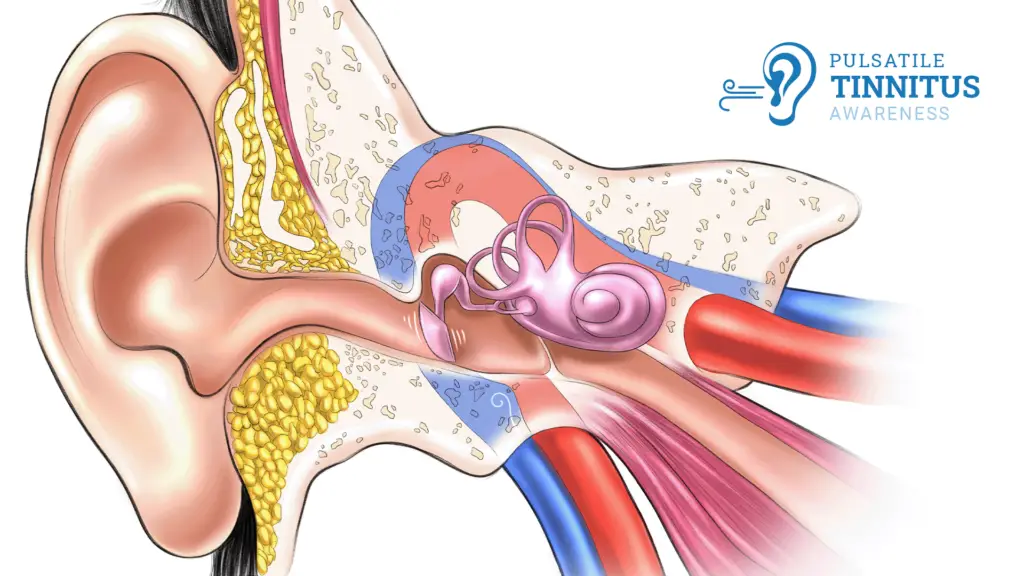
Antihistamines work by blocking the action of histamine, a chemical that is released during an allergic reaction and causes symptoms such as itching, sneezing, and a runny nose. Histamine also plays a role in the regulation of the inner ear fluid, and some researchers have suggested that an imbalance in histamine levels could contribute to tinnitus. Therefore, it has been hypothesized that antihistamines could be effective in reducing tinnitus symptoms by normalizing the histamine levels in the inner ear.
There are two main types of antihistamines: first-generation and second-generation. First-generation antihistamines, such as diphenhydramine (Benadryl) and chlorpheniramine (Chlor-Trimeton), have been used for many years and are known to cause drowsiness and other side effects, such as dry mouth and blurred vision. Second-generation antihistamines, such as loratadine (Claritin) and cetirizine (Zyrtec), are newer and are generally considered to be safer and have fewer side effects.
When it comes to tinnitus, there is limited research on the effectiveness of antihistamines, and the studies that have been conducted have yielded conflicting results. Some studies have suggested that antihistamines can be effective in reducing tinnitus symptoms, while others have found no significant difference between antihistamines and placebo.
A study published in the Journal of Laryngology and Otology in 2010 investigated the effectiveness of cetirizine in treating tinnitus in patients with allergic rhinitis. The study found that cetirizine was effective in reducing tinnitus severity in these patients. Another study published in the International Tinnitus Journal in 2012 investigated the effect of a combination of betahistine (a histamine analog) and cetirizine on tinnitus in patients with Meniere’s disease. The study found that the combination treatment was effective in reducing tinnitus severity and improving patients’ quality of life.
However, a study published in the Archives of Otolaryngology-Head and Neck Surgery in 2005 found no significant difference between loratadine and placebo in reducing tinnitus severity in patients with allergic rhinitis. Another study published in the American Journal of Otolaryngology in 2009 investigated the effect of cetirizine on tinnitus in patients with noise-induced hearing loss. The study found no significant difference between cetirizine and placebo in reducing tinnitus severity.
It is important to note that the effectiveness of antihistamines in treating tinnitus may depend on the underlying cause of the tinnitus. For example, if tinnitus is caused by a medication side effect, discontinuing the medication may be more effective than taking an antihistamine. Similarly, if tinnitus is caused by noise-induced hearing loss, reducing exposure to loud noises and using hearing protection may be more effective than taking an antihistamine.
In general, second-generation antihistamines are preferred over first-generation antihistamines for treating tinnitus, as they have fewer side effects and are less likely to cause drowsiness.