The development of missile technology is a sensitive subject, with certain information being classified and not publicly available. While the speed of a missile is an important factor, it’s not the only determinant of its effectiveness and potency. Other factors such as range, accuracy, and payload play significant roles in missile technology.
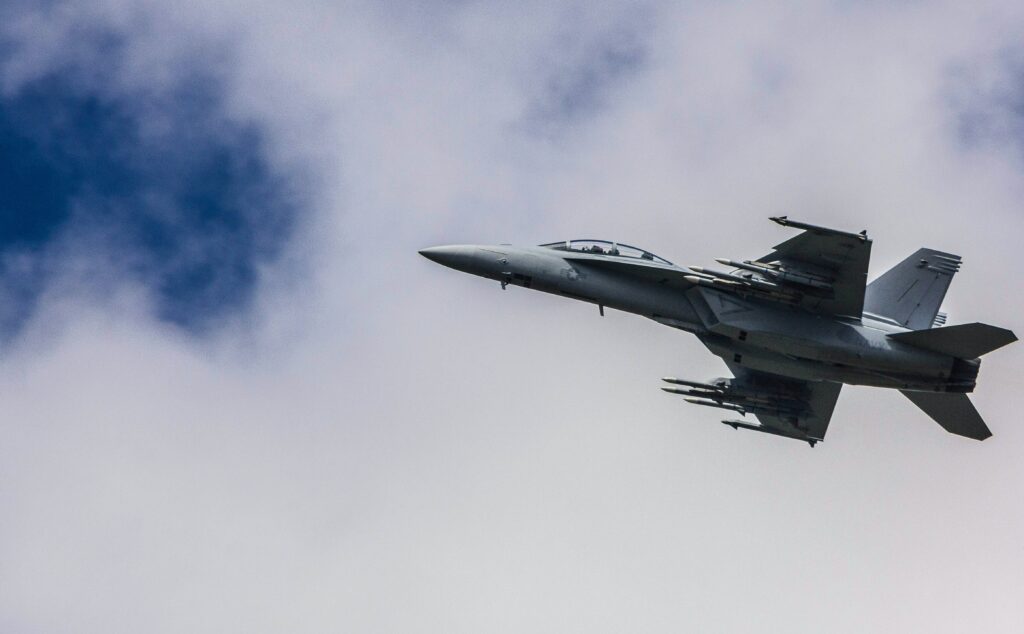
Russia, China, the United States, India, France, and Israel are some of the countries that have advanced missile technology. Russia is known for its formidable missile technology, with the hypersonic missile “Avangard” reportedly capable of traveling at speeds of over Mach 20, and the Kinzhal, a hypersonic air-launched missile, can reach speeds of up to Mach 10. China has made significant strides in developing advanced missile technology, with the Dongfeng-41 (DF-41) missile capable of traveling at speeds of up to Mach 25 and having a range of up to 15,000 kilometers.
The United States has a long history of developing advanced missile technology, with the Lockheed Martin SR-72 currently under development and expected to travel at speeds of up to Mach 6. The AGM-183A hypersonic missile, also known as the “Arrow,” is also currently under development and expected to travel at speeds of up to Mach 20. India has been developing its missile technology capabilities in recent years, and the BrahMos II is one of its fastest missiles, expected to travel at speeds of up to Mach 7. France has several advanced missile systems in its arsenal, including the ASMP-A missile, which is a nuclear-capable missile that can travel at speeds of up to Mach 3. Israel has developed several advanced missile systems, including the Jericho III missile, which is an ICBM capable of traveling at speeds of up to Mach 10.
It’s important to note that the information presented may not be comprehensive or up-to-date as missile technology is constantly evolving. Some information may also be classified, making it difficult to provide a comprehensive overview of the topic.