Calcium channel blockers are a type of medication commonly prescribed to manage high blood pressure, angina, and some cardiac arrhythmias. These medications work by blocking the entry of calcium ions into the smooth muscle cells of blood vessels, leading to relaxation of the vessels and a reduction in blood pressure. While calcium channel blockers are generally well-tolerated and safe, there are some dietary restrictions that patients should be aware of.
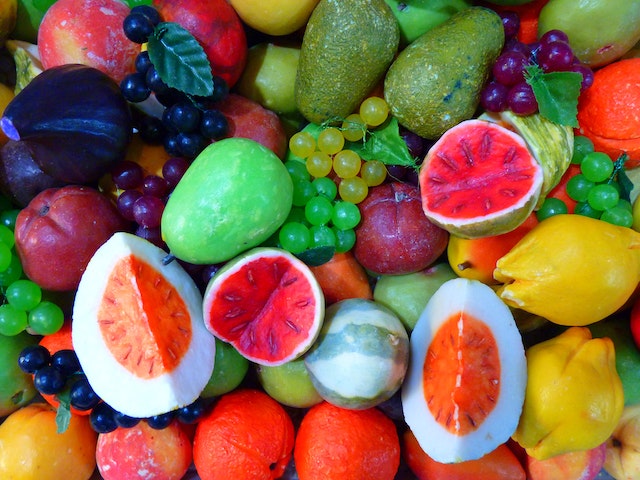
One fruit that should be avoided when taking calcium channel blockers is grapefruit. Grapefruit and grapefruit juice contain furanocoumarins, which can inhibit the metabolism of certain medications in the liver. This can lead to an increase in the concentration of the medication in the bloodstream, resulting in a higher risk of side effects.
The interaction between grapefruit and calcium channel blockers is particularly significant because calcium channel blockers are metabolized by the liver enzyme CYP3A4, which also metabolizes many other medications. Furanocoumarins in grapefruit can inhibit the activity of CYP3A4, leading to an increase in the concentration of calcium channel blockers in the bloodstream. This can result in an increased risk of side effects such as dizziness, headache, and low blood pressure.
It is important to note that not all calcium channel blockers are metabolized by CYP3A4 to the same extent, so the interaction between grapefruit and these medications can vary. For instance, amlodipine is primarily metabolized by CYP3A4 and therefore has a higher potential for interaction with grapefruit. In contrast, diltiazem and verapamil are metabolized by other liver enzymes and have a lower potential for interaction with grapefruit.
In general, patients taking calcium channel blockers should be cautious about consuming grapefruit and grapefruit juice and should discuss their use with their healthcare provider. If a patient does consume grapefruit while taking a calcium channel blocker, they should monitor themselves for signs of side effects such as dizziness or low blood pressure and should report any concerns to their healthcare provider.
It is worth noting that while grapefruit is the most well-known food to interact with calcium channel blockers, it is not the only one. Other foods and drinks that can inhibit the activity of CYP3A4 include:
- Seville oranges: Like grapefruit, Seville oranges contain furanocoumarins that can inhibit the activity of CYP3A4.
- Pomelos: Pomelos are a type of citrus fruit that are similar to grapefruit in their effects on CYP3A4.
- Apple juice: Apple juice contains compounds that can inhibit the activity of CYP3A4, although the effect is generally less significant than with grapefruit.
- St. John’s Wort: St. John’s Wort is an herbal supplement that can also inhibit the activity of CYP3A4, leading to an increase in the concentration of calcium channel blockers in the bloodstream.
Therefore, patients taking calcium channel blockers should be cautious about consuming grapefruit and grapefruit juice, as well as other foods and supplements that can inhibit the activity of CYP3A4. While the interaction between these medications and grapefruit is well-known, patients should always consult with their healthcare provider before making any changes to their diet or medication regimen.
In conclusion, it is essential for patients taking calcium channel blockers to be aware of the potential dietary restrictions associated with these medications. Grapefruit and other foods that can inhibit the activity of CYP3A4 should be consumed with caution, and patients should discuss their use with their healthcare provider. By working closely with their healthcare provider and monitoring themselves for signs of side effects, patients can help to ensure that they receive safe and effective treatment for their medical conditions.