When it comes to health, comparing different types of starchy foods such as rice, pasta, and potatoes is not as simple as choosing one over the other. All three have their unique nutritional properties and can be healthy when eaten in moderation as part of a balanced diet.
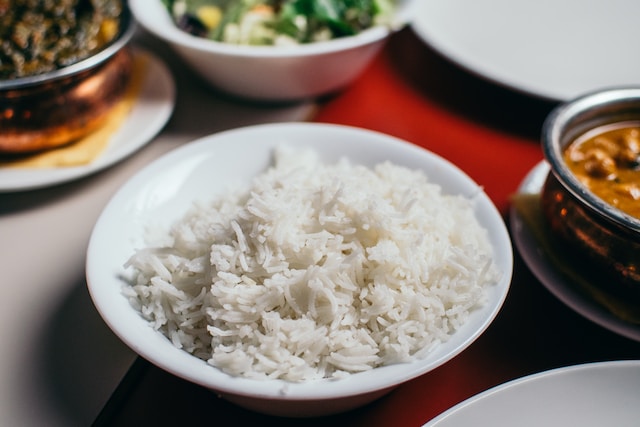
Rice is a staple food in many parts of the world and comes in many varieties, such as white, brown, wild, and black. It is a good source of carbohydrates, which provide energy for the body. Rice is also low in fat and contains essential vitamins and minerals such as thiamin, niacin, and iron. However, white rice has been stripped of its fiber and some nutrients during processing, making it less nutritious than brown rice.
Pasta, on the other hand, is made from wheat flour, water, and sometimes eggs. It is also a good source of carbohydrates, but unlike rice, pasta is often enriched with additional nutrients such as iron and B vitamins during processing. Whole wheat pasta is a healthier option because it contains more fiber and nutrients than regular pasta.
Potatoes are another starchy food that can be a healthy addition to a balanced diet. They are rich in vitamins and minerals such as potassium, vitamin C, and B6. However, the way potatoes are prepared can greatly affect their nutritional value. Baked or boiled potatoes are healthier options than french fries or potato chips, which are often high in fat and salt.
So, which of these three starchy foods is healthier? The answer depends on several factors such as the type, preparation method, and portion size.
When it comes to calorie content, rice and pasta are similar, with around 200 calories per cooked cup. Potatoes are slightly lower in calories, with around 150 calories per medium-sized potato. However, potatoes have a higher satiety index than rice or pasta, meaning they keep you feeling full for longer.
In terms of carbohydrates, rice and pasta are similar, with around 45 grams per cooked cup. Potatoes have slightly less, with around 30 grams per medium-sized potato. However, potatoes have a lower glycemic index than rice or pasta, meaning they cause a slower rise in blood sugar levels.
When it comes to fiber, brown rice and whole wheat pasta are healthier options than white rice or regular pasta. Brown rice contains around 3.5 grams of fiber per cooked cup, while whole wheat pasta contains around 6 grams per cooked cup. Potatoes are lower in fiber, with around 2 grams per medium-sized potato.
In terms of vitamins and minerals, all three starchy foods have their unique properties. Rice is a good source of thiamin, niacin, and iron, while pasta is enriched with iron and B vitamins. Potatoes are rich in potassium, vitamin C, and B6. However, the nutritional content of these foods can vary depending on the variety, preparation method, and portion size.
When it comes to preparation, the healthiest options are to choose whole grain varieties of pasta and brown rice and to bake or boil potatoes instead of frying them. Adding vegetables or lean protein sources such as chicken or fish to these starchy foods can also increase their nutritional value.
In conclusion, all three starchy foods – rice, pasta, and potatoes – can be healthy choices when eaten in moderation as part of a balanced diet. The key is to choose whole grain varieties of rice and pasta, and to prepare potatoes in a healthy way. By doing so, you can enjoy the benefits of these nutrient-rich foods without compromising your health.