When it comes to healthy eating, both salads and coleslaw can be excellent choices, as they are both low in calories and packed with essential nutrients. However, there are some differences between the two that may make one a better choice than the other, depending on your specific health needs and goals.
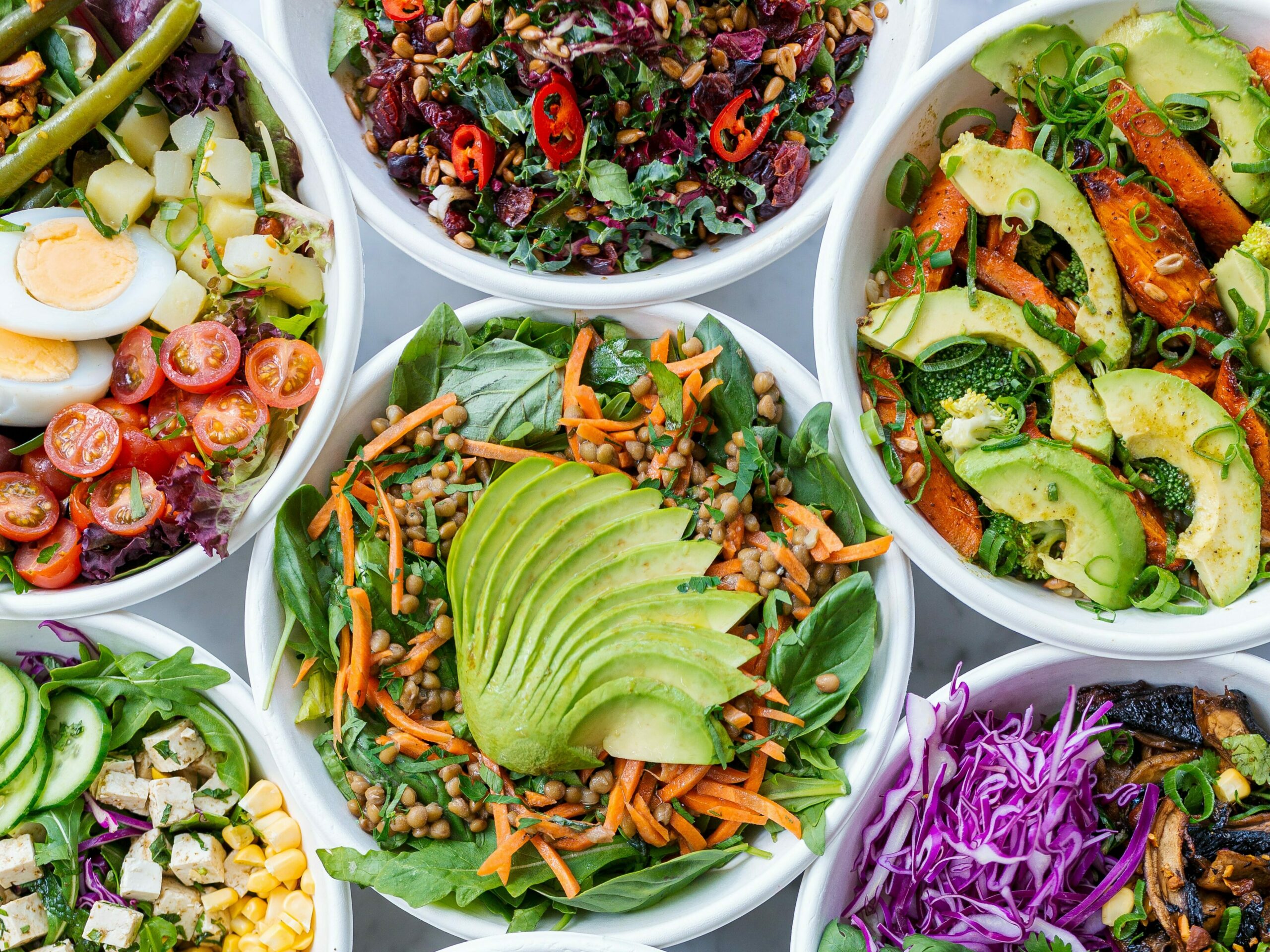
Salad is a dish made from a variety of vegetables and often includes greens such as lettuce, spinach, or kale, as well as other vegetables such as carrots, cucumbers, tomatoes, and peppers. Some salads also contain fruits, nuts, seeds, or proteins such as grilled chicken or shrimp. Salads can be dressed with a variety of dressings, such as vinaigrettes or creamy dressings, depending on personal preference.
Coleslaw, on the other hand, is a type of salad that is made primarily from shredded cabbage and often includes other vegetables such as carrots or onions. Coleslaw is typically dressed with a dressing made from mayonnaise, vinegar, or a combination of the two.
When it comes to calories, both salads and coleslaw are typically low in calories. However, coleslaw that is dressed with mayonnaise can be higher in calories and fat than a salad that is dressed with a vinaigrette or other low-fat dressing. A typical serving of coleslaw can contain around 150-200 calories, while a salad can range from 50-200 calories depending on the ingredients and dressing used.
In terms of nutrients, both salads and coleslaw can be excellent sources of essential vitamins, minerals, and fiber. Salads that are made with dark, leafy greens such as spinach or kale are particularly high in nutrients such as vitamin K, vitamin A, and iron. Vegetables such as carrots and bell peppers are rich in vitamin C, while tomatoes are a good source of lycopene, an antioxidant that has been linked to a reduced risk of certain types of cancer.
Coleslaw is an excellent source of vitamin C, as cabbage is rich in this nutrient. It also contains other nutrients such as vitamin K, vitamin B6, and fiber. However, because coleslaw is typically dressed with mayonnaise or a combination of mayonnaise and vinegar, it may be higher in fat and calories than a salad that is dressed with a low-fat dressing.
When it comes to choosing between salad and coleslaw, it ultimately depends on your personal preferences and health goals. If you are looking for a low-calorie, nutrient-dense meal or side dish, both salads and coleslaw can be excellent choices. However, if you are trying to watch your fat intake or are looking for a low-fat option, a salad dressed with a vinaigrette or low-fat dressing may be a better choice than coleslaw dressed with mayonnaise.
Additionally, if you are trying to increase your intake of a specific nutrient, such as vitamin K or vitamin C, you may want to choose a salad or coleslaw that contains ingredients that are rich in those nutrients.
Overall, both salads and coleslaw can be healthy choices when made with nutrient-dense ingredients and dressed with healthy dressings. The key is to choose ingredients that are rich in essential nutrients and to dress your salad or coleslaw with a dressing that is low in fat and calories.