In general, a flashing check engine light is considered worse than a solid check engine light. This is because a flashing check engine light typically indicates a more serious problem with the engine that requires immediate attention, while a solid check engine light usually indicates a less urgent issue.
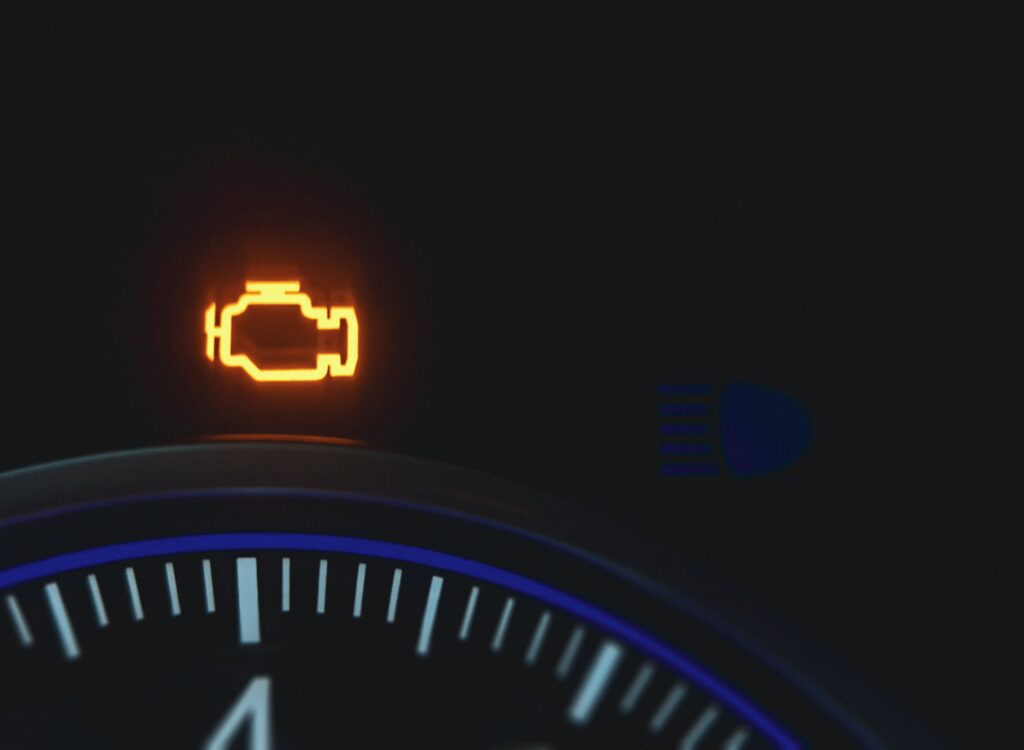
The check engine light is part of the onboard diagnostic system (OBD) in modern vehicles, and is designed to alert the driver to any problems with the engine or emissions system. When the light comes on, it means that the OBD system has detected a fault in one of the vehicle’s systems, and has stored a diagnostic trouble code (DTC) that can be used to diagnose the problem.
A solid check engine light indicates a fault that is still present, but is not considered an immediate threat to the vehicle or the driver. This could be something like a malfunctioning oxygen sensor or a loose gas cap. While these issues should still be addressed in a timely manner, they are not usually urgent.
A flashing check engine light, on the other hand, indicates a more serious problem that requires immediate attention. This could be something like a misfiring engine, which can cause damage to the catalytic converter and other parts of the engine if left unchecked. Other issues that can cause a flashing check engine light include a malfunctioning ignition coil, a failing fuel injector, or a clogged catalytic converter.
When a flashing check engine light comes on, it is important to stop driving the vehicle as soon as possible and have it towed to a repair shop. Continuing to drive the vehicle with a flashing check engine light can cause further damage to the engine, and could even lead to a dangerous situation if the problem is severe enough.
In summary, while both a solid and flashing check engine light indicate a problem with the vehicle, a flashing check engine light is generally considered worse because it indicates a more serious issue that requires immediate attention. If the check engine light comes on in your vehicle, it’s important to have it diagnosed and repaired as soon as possible to avoid further damage and ensure the safety of yourself and others on the road.