It’s difficult to determine which Mexican border is the safest as each border region has its unique challenges and risks. Mexico shares borders with the United States to the north and with Guatemala and Belize to the south. Each border region has its own distinct characteristics, including differences in geography, demographics, and levels of criminal activity.
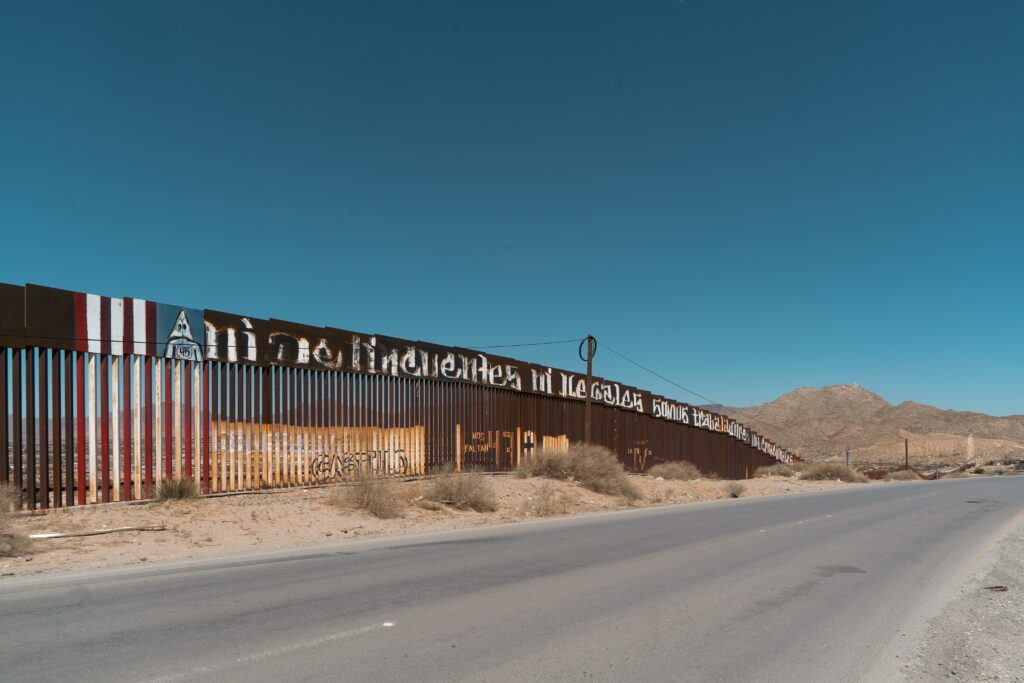
The U.S.-Mexico border is one of the most heavily patrolled borders in the world. The border stretches approximately 1,954 miles, and it’s divided into nine sectors that are overseen by the U.S. Border Patrol. The southern border of Texas, Arizona, and California are the most commonly crossed borders by those trying to enter the U.S. illegally. The Rio Grande, which separates Texas and Mexico, is one of the most dangerous and frequently crossed sections of the U.S.-Mexico border. The rugged terrain and extreme heat of the Arizona desert also make it a challenging area to cross.
On the other hand, the U.S.-Mexico border regions have seen a significant increase in drug trafficking and other criminal activities, such as human trafficking and smuggling, in recent years. Some border towns, such as Tijuana, Ciudad Juarez, and Nuevo Laredo, have been notorious for violence and drug cartel activity, leading to increased risks to travelers and residents.
The southern border of Mexico with Guatemala and Belize is less frequently crossed and less heavily patrolled than the U.S.-Mexico border. However, the area has seen an increase in crime and violence in recent years, including drug trafficking, gang activity, and organized crime. The border region also has a history of civil unrest and political instability.
The safety of each Mexican border region depends on a variety of factors, including the specific location, time of day, and level of criminal activity in the area. Travelers should take appropriate precautions when crossing any Mexican border, such as avoiding traveling alone, staying in well-lit areas, and being aware of their surroundings.
It’s also important to note that the U.S. Department of State regularly issues travel advisories for Mexico, which provide information on safety and security concerns for travelers. The level of the advisory can vary by region, and travelers should review the advisory before planning a trip to Mexico.
In conclusion, there is no single Mexican border that is universally considered the safest. Each border region has its unique challenges and risks, and travelers should take appropriate precautions when crossing any Mexican border. The U.S.-Mexico border is heavily patrolled but has seen an increase in criminal activity in recent years, while the southern border with Guatemala and Belize is less frequently crossed but has also seen an increase in crime and violence. It’s important to review travel advisories and take appropriate safety measures when traveling to any Mexican border region.